A Treasury of World Art
The Vatican Museums encompass 54 galleries containing over 70,000 works of art accumulated by the Catholic Church over centuries, making it one of the largest and most important museum complexes on Earth. The collection spans ancient Egyptian mummies and Etruscan bronzes through classical Greek and Roman sculpture to Renaissance masterpieces and modern religious art. Highlights include the Laocoön and His Sons sculpture, Raphael's School of Athens, and rooms decorated by the greatest artists of the Italian Renaissance. The sheer scale of the collection means that even a full day barely scratches the surface, and many visitors return multiple times to fully appreciate the depth and breadth of what is on display.
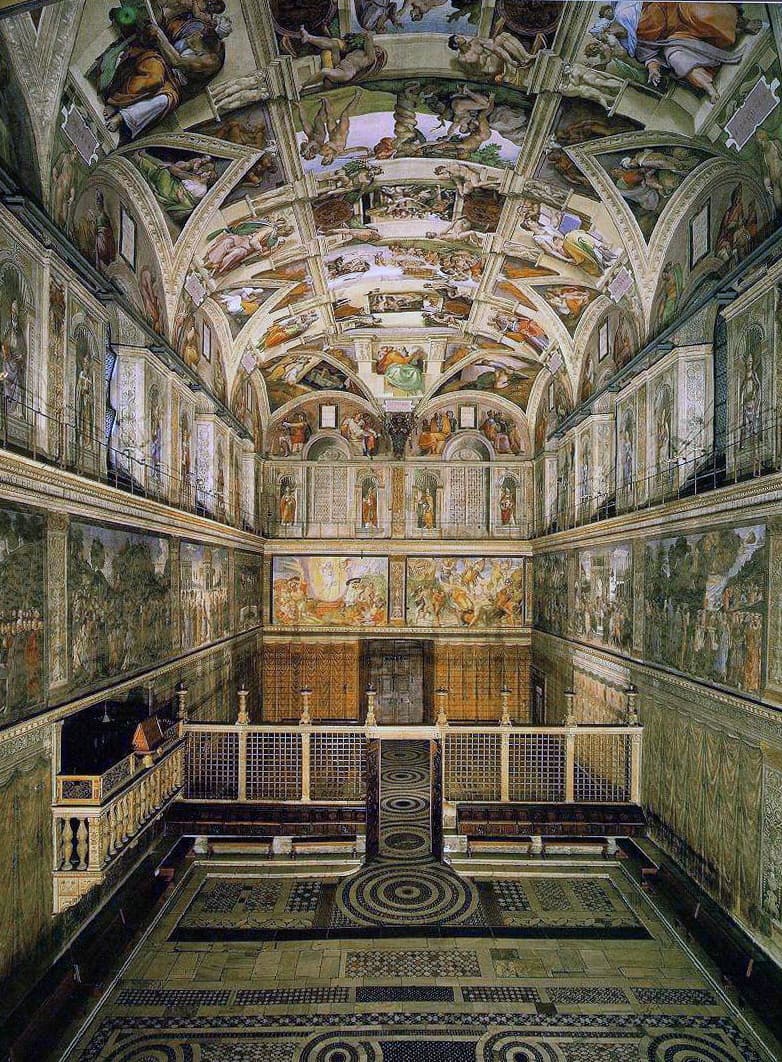
The Sistine Chapel
The undeniable crown jewel of the Vatican Museums is the Sistine Chapel, where Michelangelo's ceiling frescoes and Last Judgment altarpiece represent the pinnacle of Western artistic achievement. Painted between 1508 and 1512, the ceiling depicts nine scenes from the Book of Genesis, including the iconic Creation of Adam, executed with a mastery of human anatomy and composition that has never been surpassed. The Last Judgment, completed nearly three decades later on the altar wall, is a swirling, monumental vision of souls ascending to heaven and descending to damnation that remains breathtaking in its emotional intensity. Standing beneath these works in the hushed chapel is one of the most moving cultural experiences available to any traveler anywhere in the world.
Planning Your Visit
The Vatican Museums attract enormous crowds, particularly during summer months and religious holidays, making advance ticket booking essential to avoid queues that can stretch for several hours. Early morning entry or late afternoon visits tend to be less crowded, and several tour operators offer exclusive early-access or after-hours experiences that allow visitors to appreciate the art in relative peace. The standard visitor route covers approximately seven kilometers of galleries and corridors, so comfortable walking shoes are a must. Audio guides and guided tours in multiple languages provide valuable context that transforms the experience from merely seeing great art to understanding its historical, religious, and cultural significance.