Austria · Castles
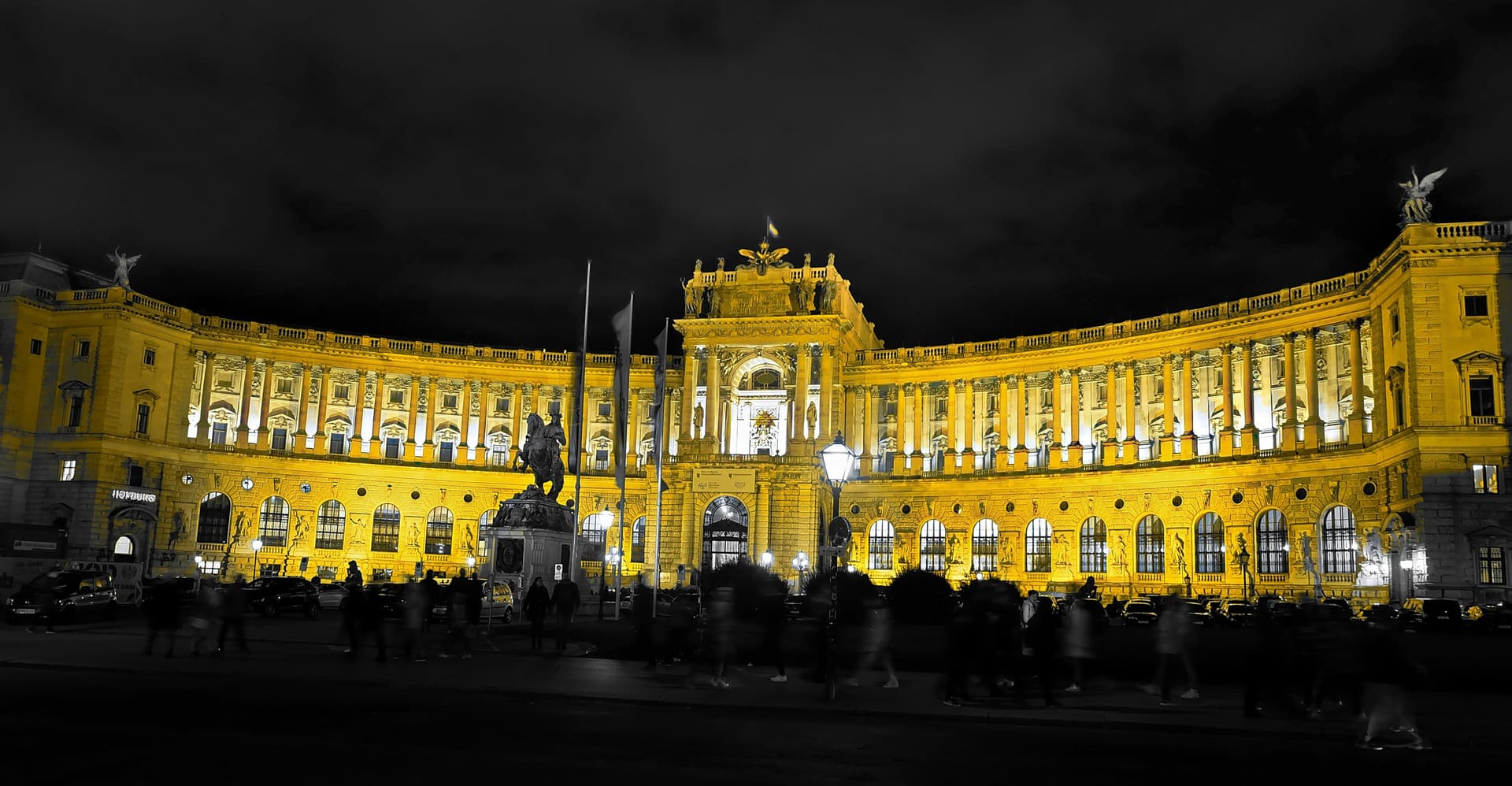
Hofburg Palace
The former imperial palace in the heart of Vienna, now the residence of the Austrian president.
Things to do
49 guides to historic sites across 14 countries, with the most in Greece (6), Poland (6), Czech Republic (5).
Showing 49 guides
The former imperial palace in the heart of Vienna, now the residence of the Austrian president.
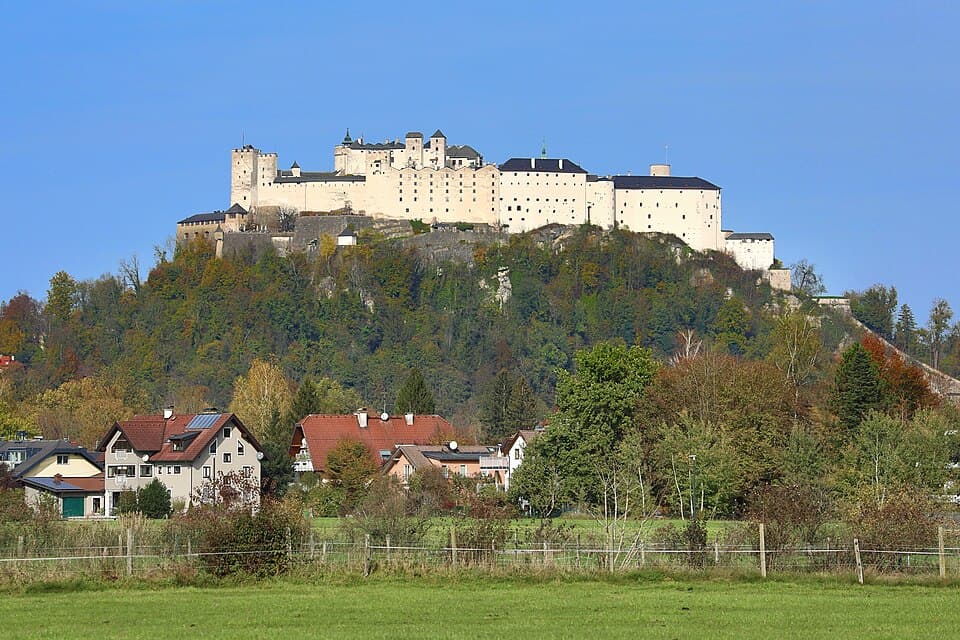
One of the largest and best-preserved medieval fortresses in Europe, perched high above Salzburg's Old Town and offering commanding views of the city, river, and surrounding Alpine peaks.
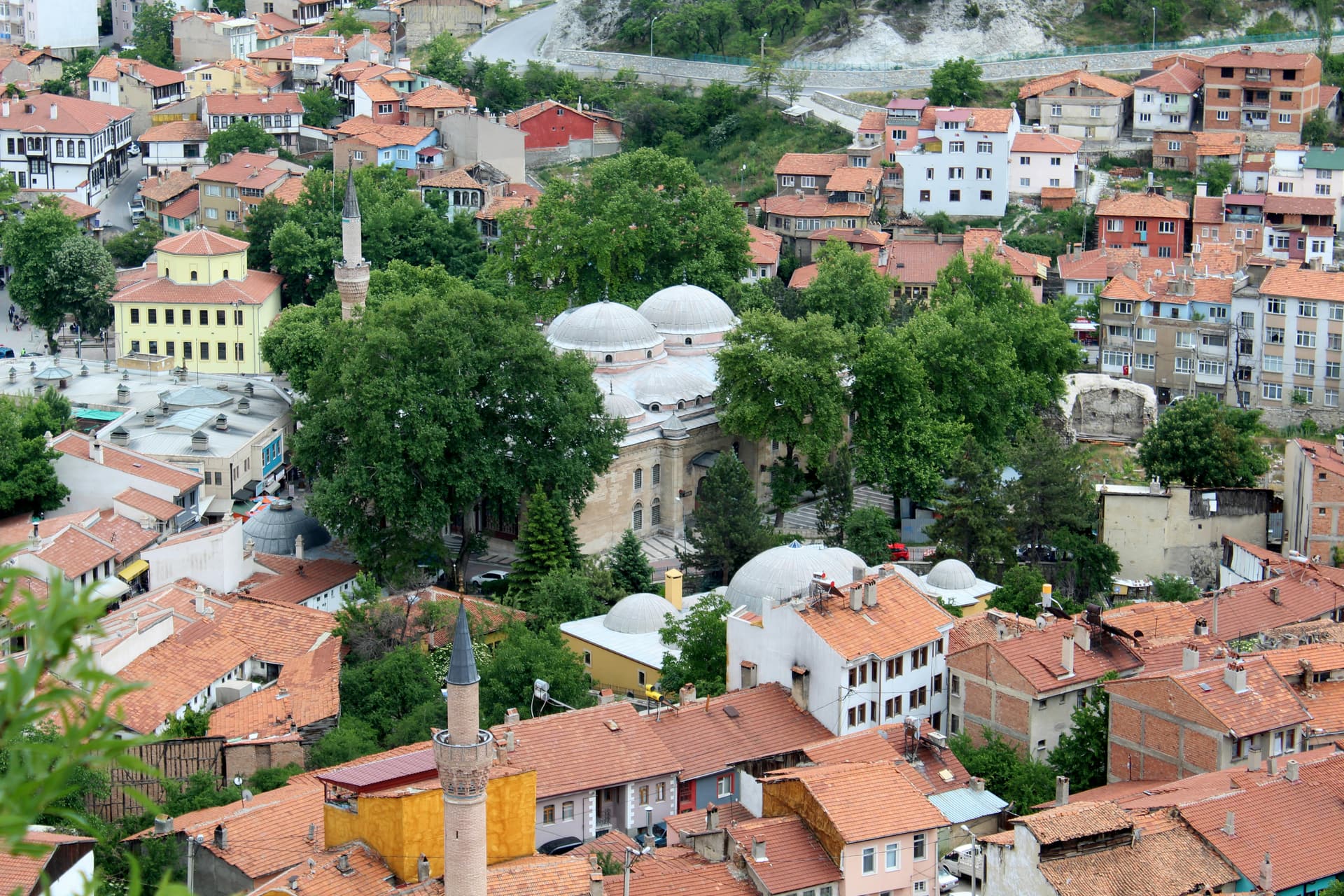
A historic district featuring Roman ruins, cobbled streets, and National Revival–era mansions.
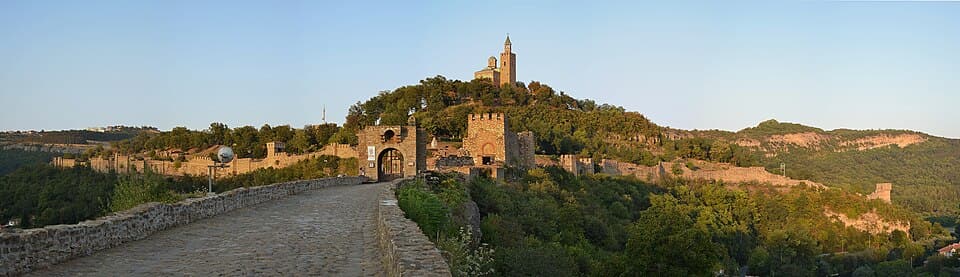
Medieval fortress of the Second Bulgarian Empire perched on a hill above the Yantra River.
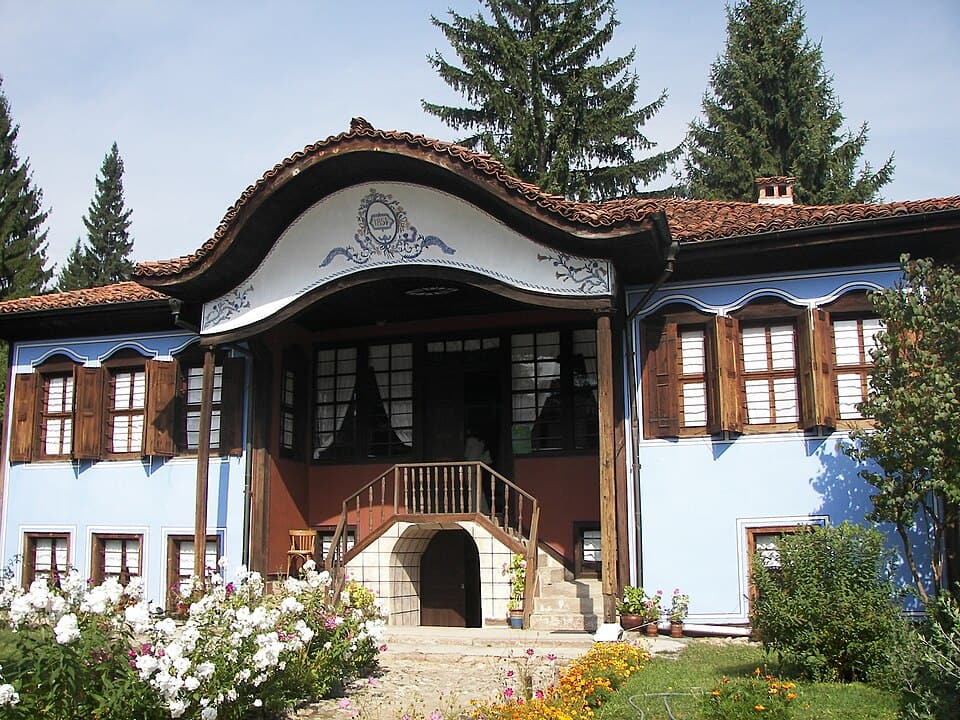
A perfectly preserved Revival-era town that played a key role in the April Uprising of 1876.
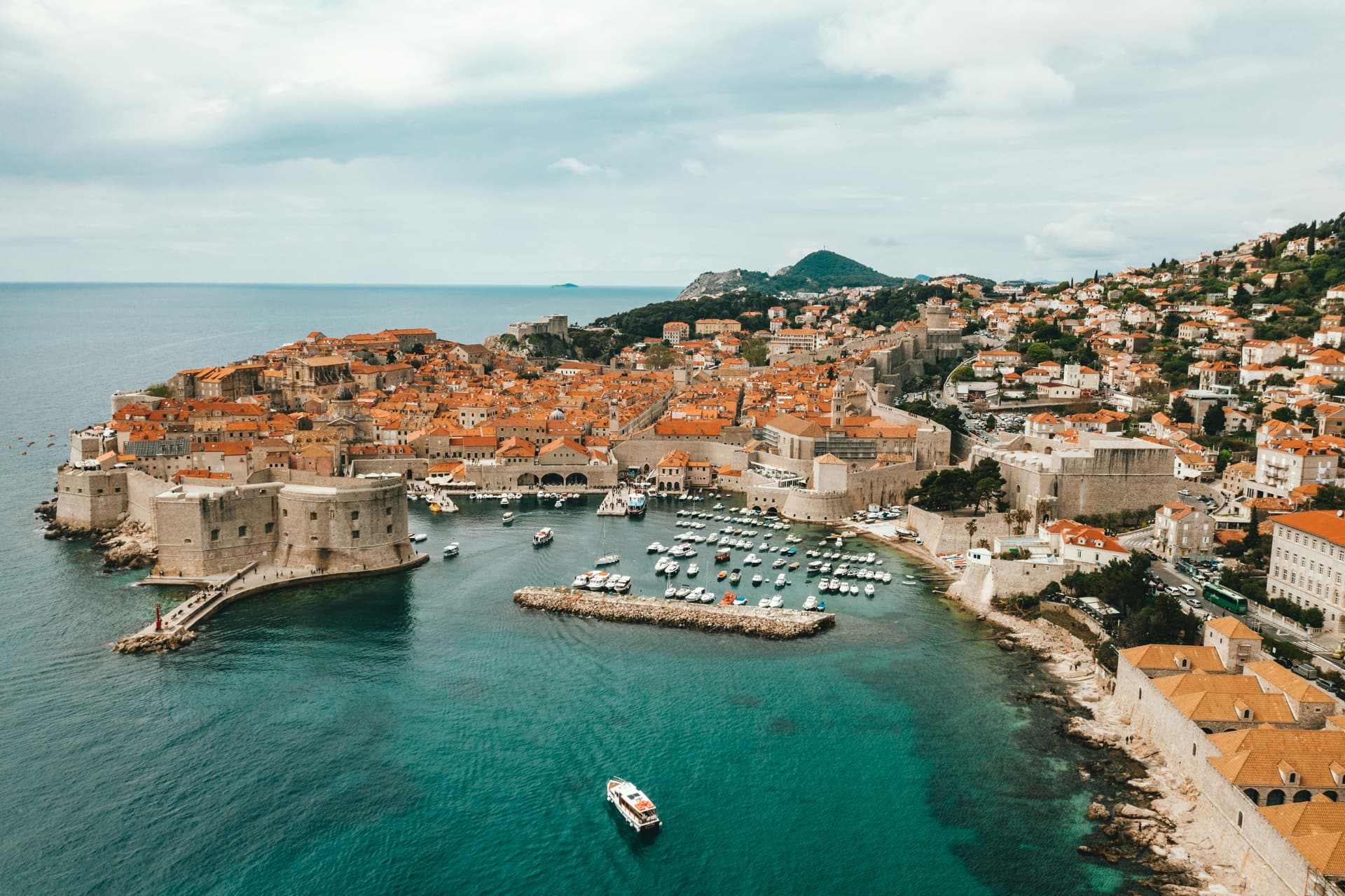
Encircled by massive stone walls, Dubrovnik's Old Town is a well-preserved medieval city known for its baroque buildings and historic charm.
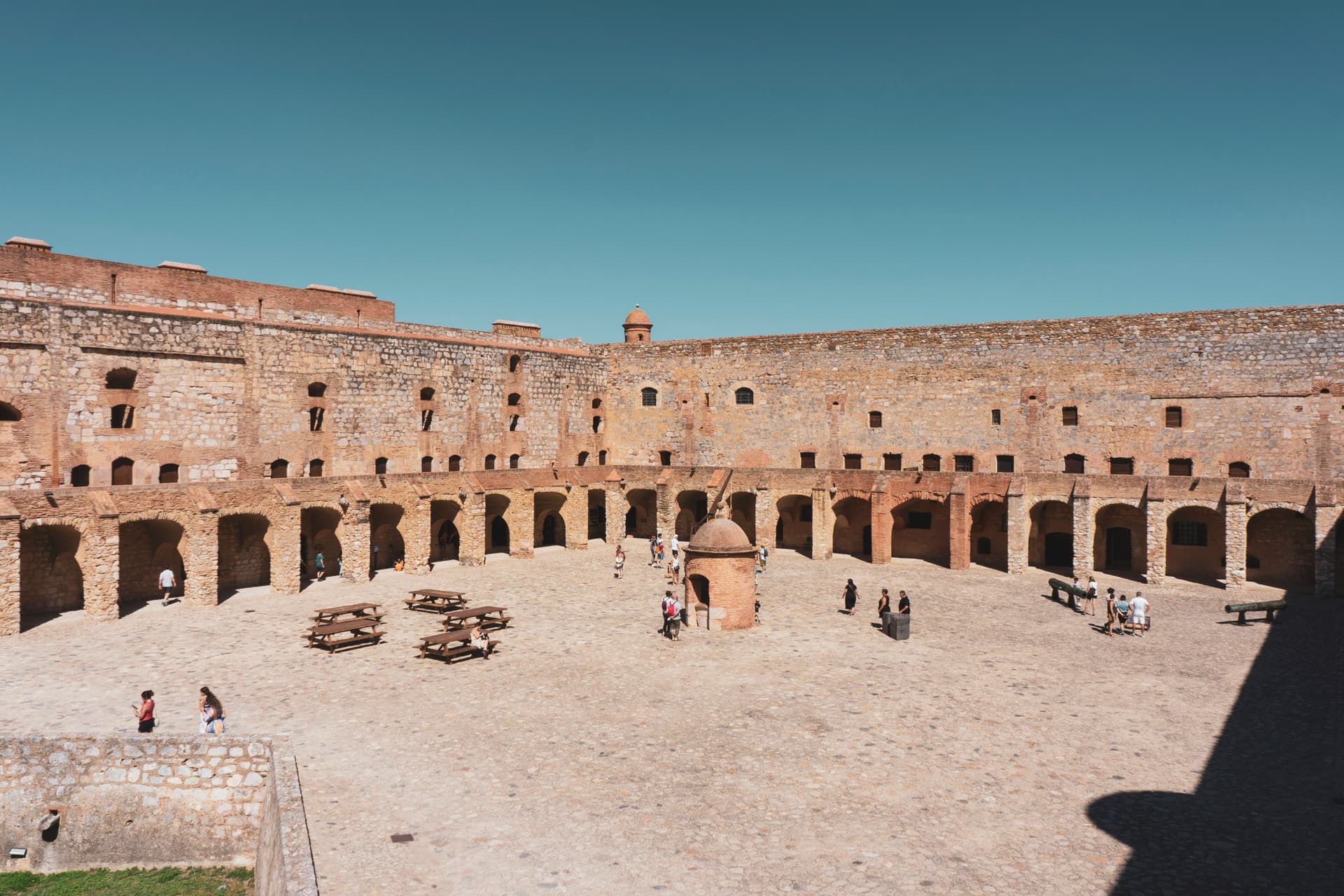
A massive Roman palace complex in Split, blending ancient ruins with shops, homes, and cafes.
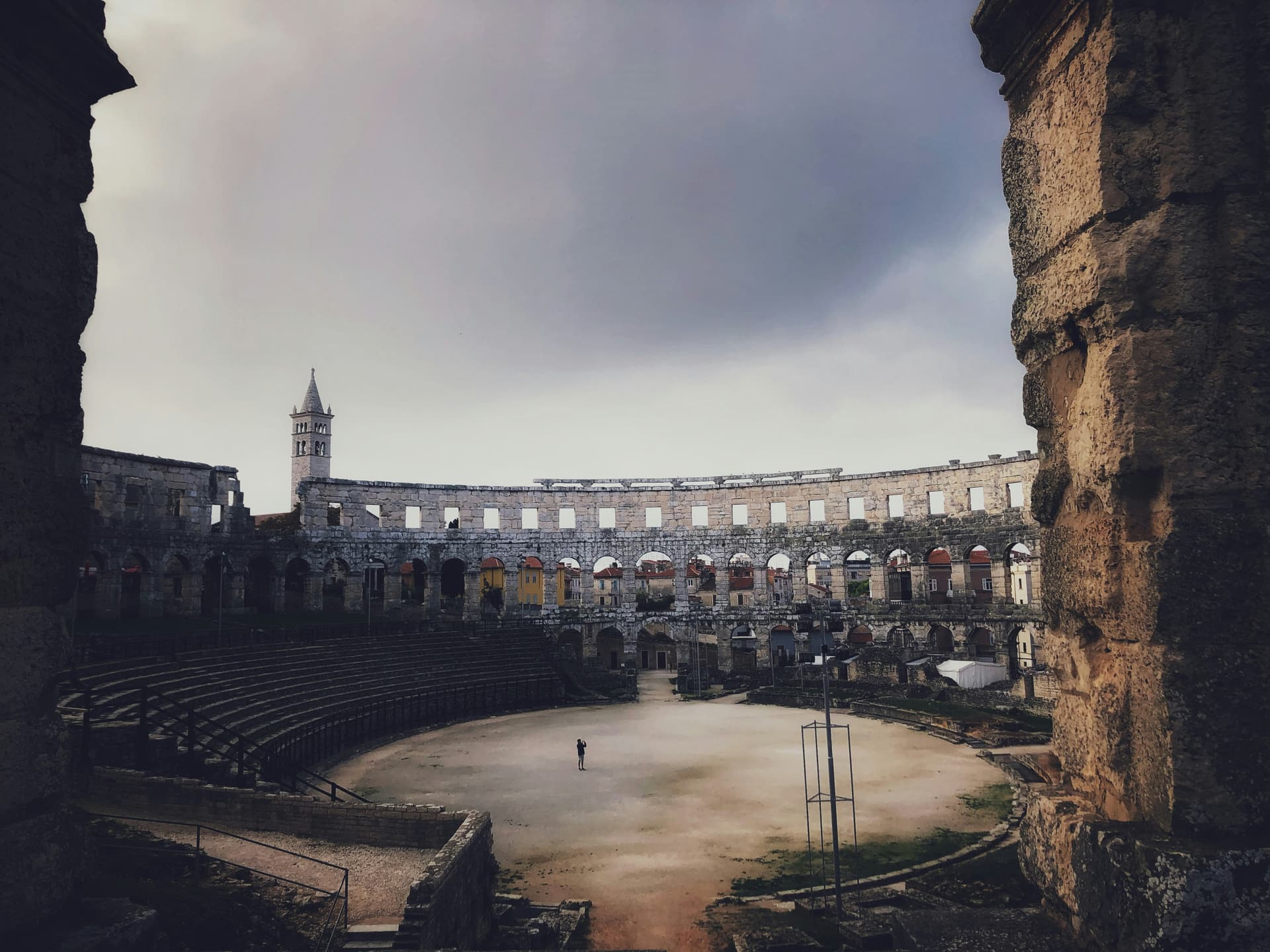
One of the best-preserved Roman amphitheaters in the world, located on the Istrian coast.
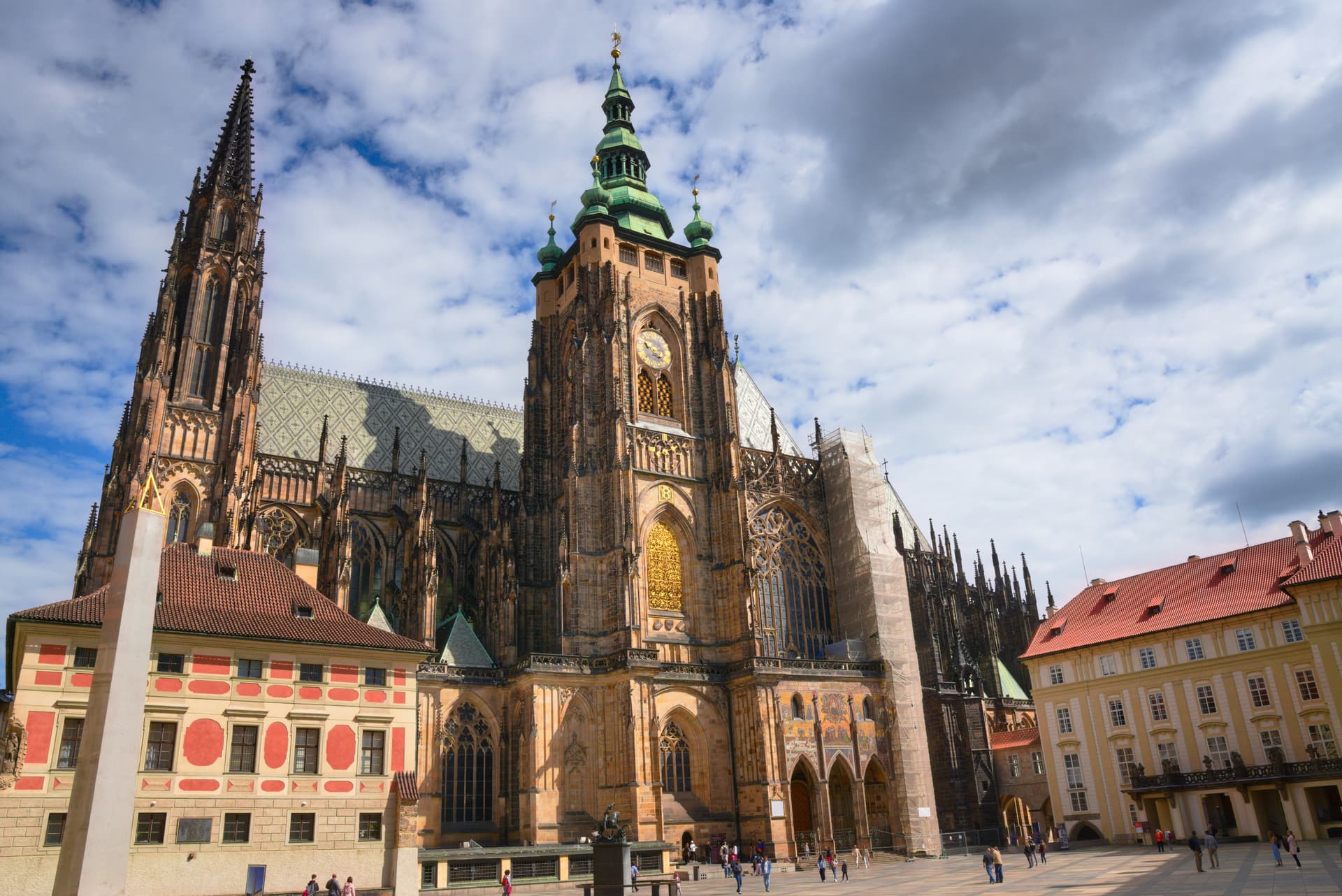
The largest ancient castle in the world, dominating the city skyline and holding centuries of Czech history.
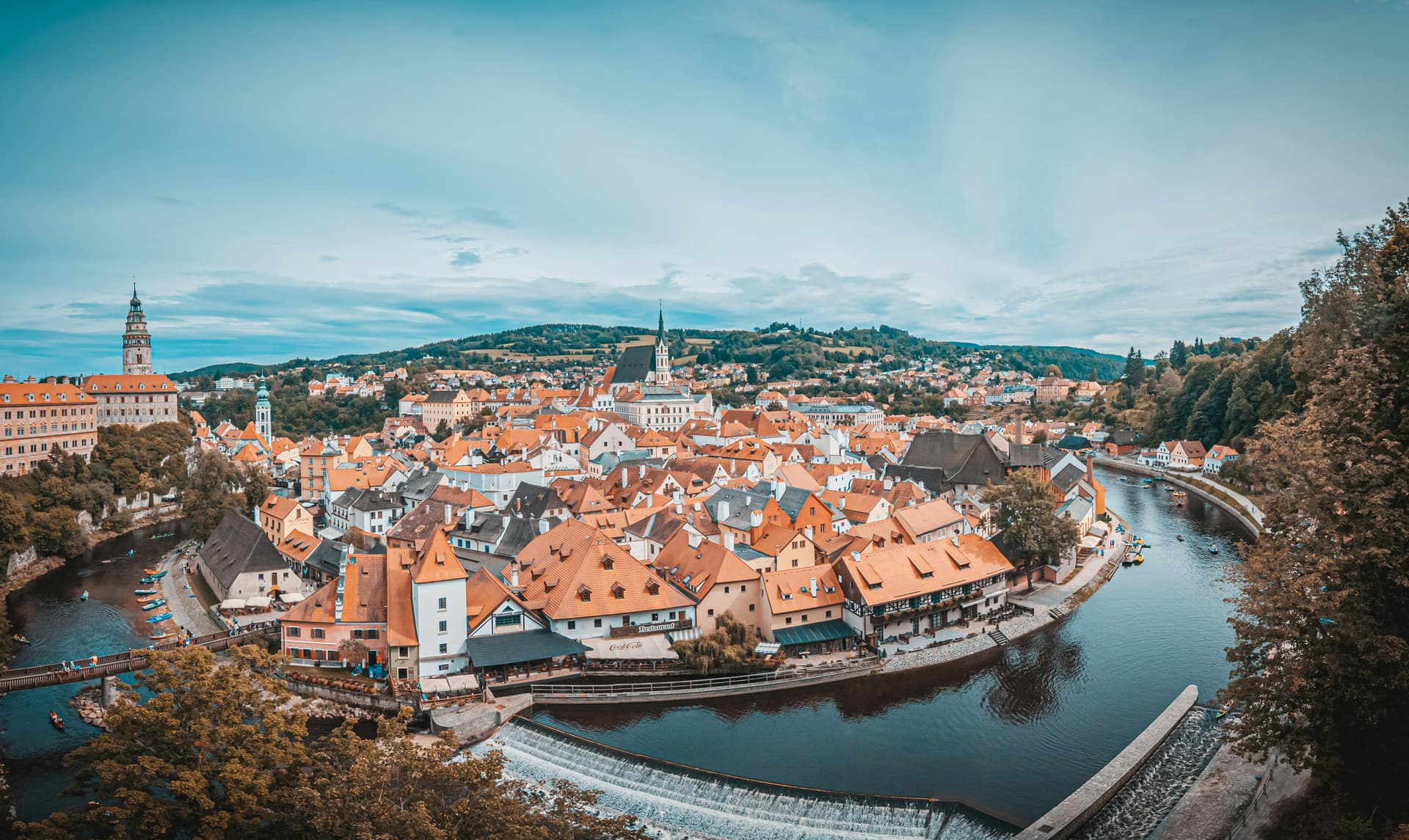
A perfectly preserved medieval town in southern Bohemia, known for its castle and charming streets.
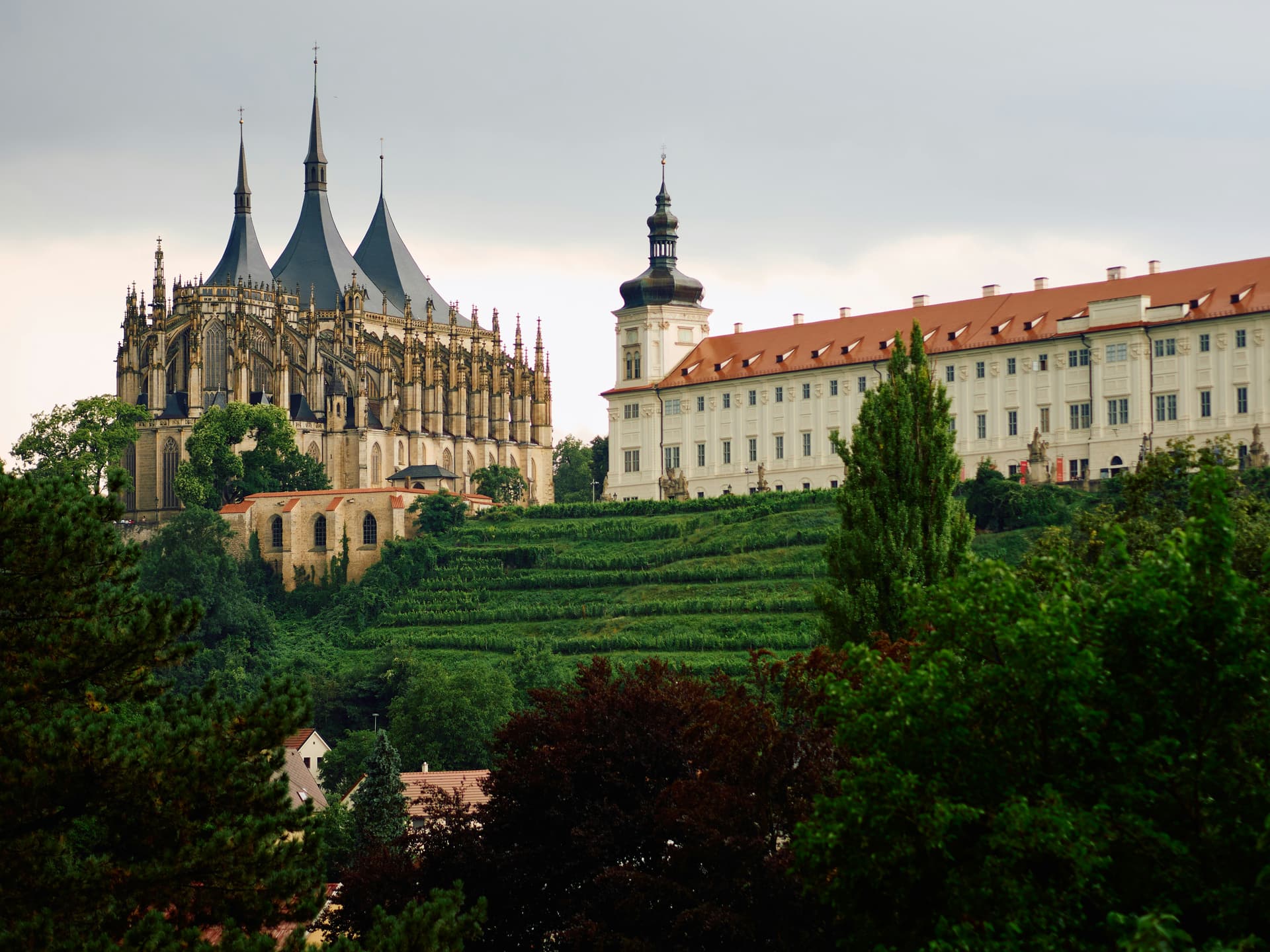
A historic town known for its silver mining history and the haunting Sedlec Ossuary.
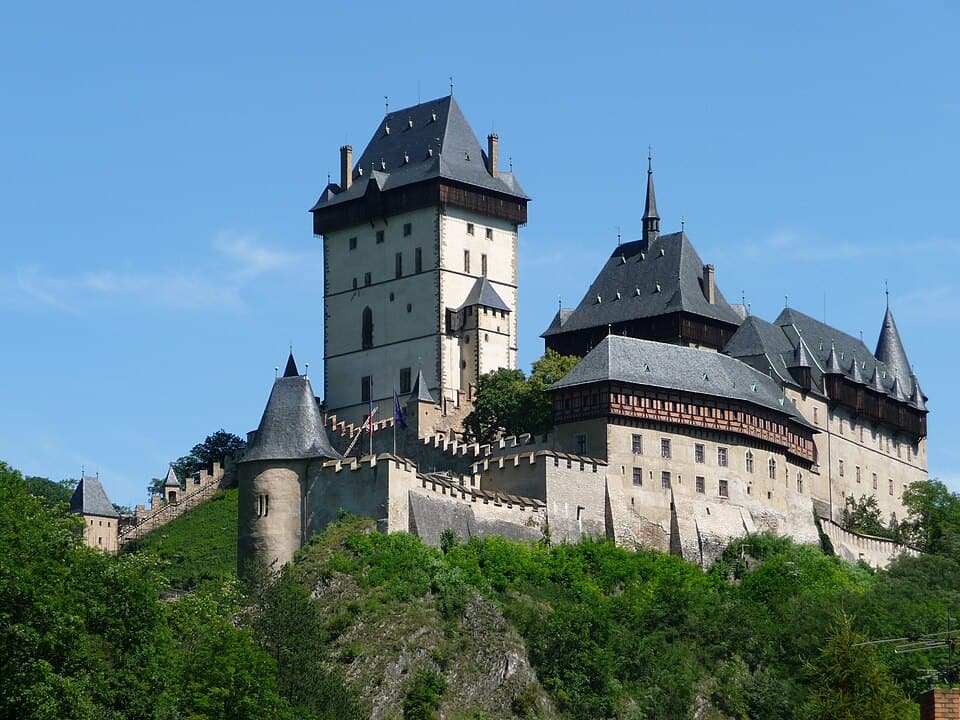
A dramatic Gothic castle built by Charles IV to house the crown jewels and holy relics.
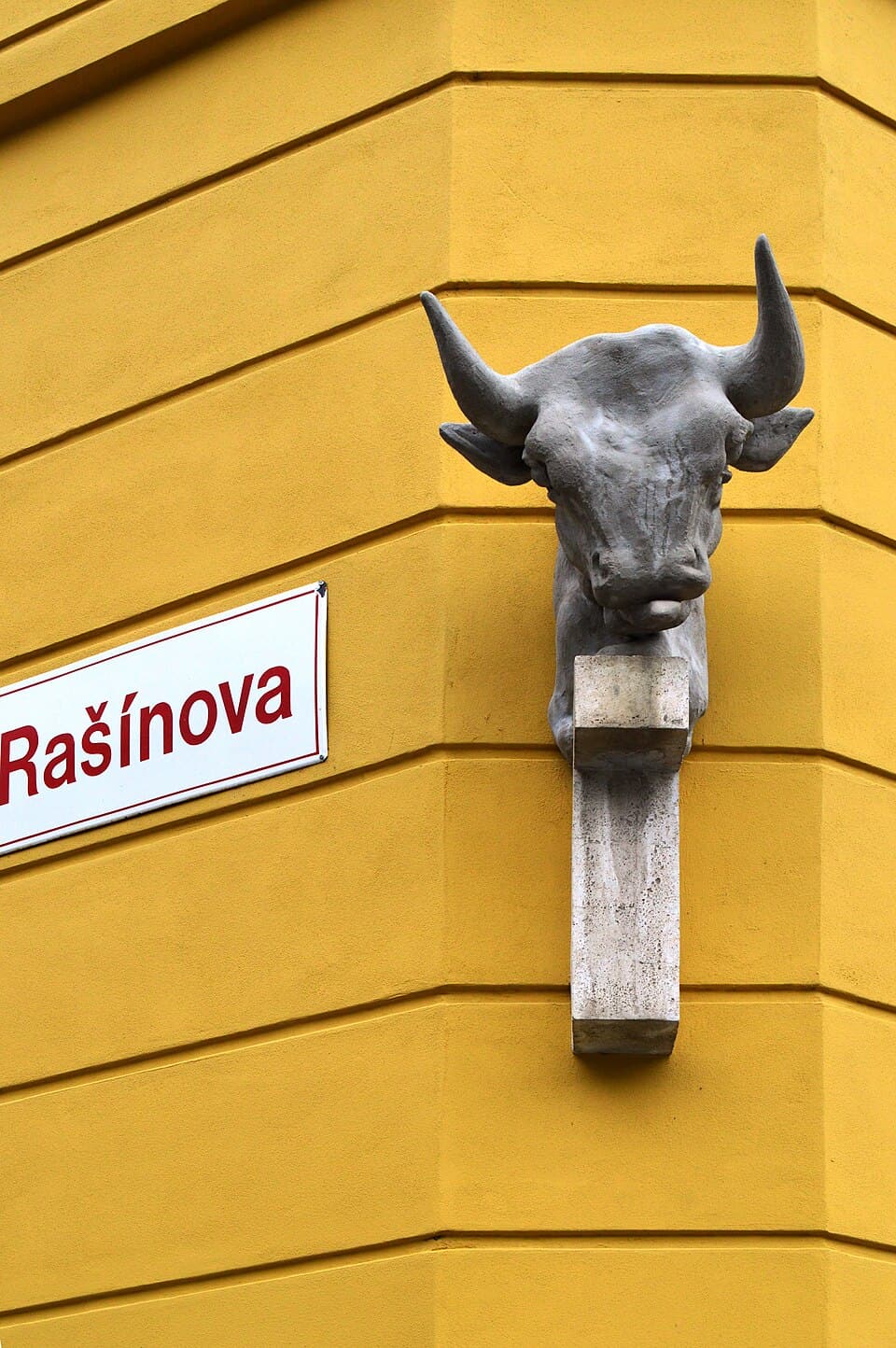
A fascinating labyrinth of underground tunnels and cellars beneath Brno's old town.
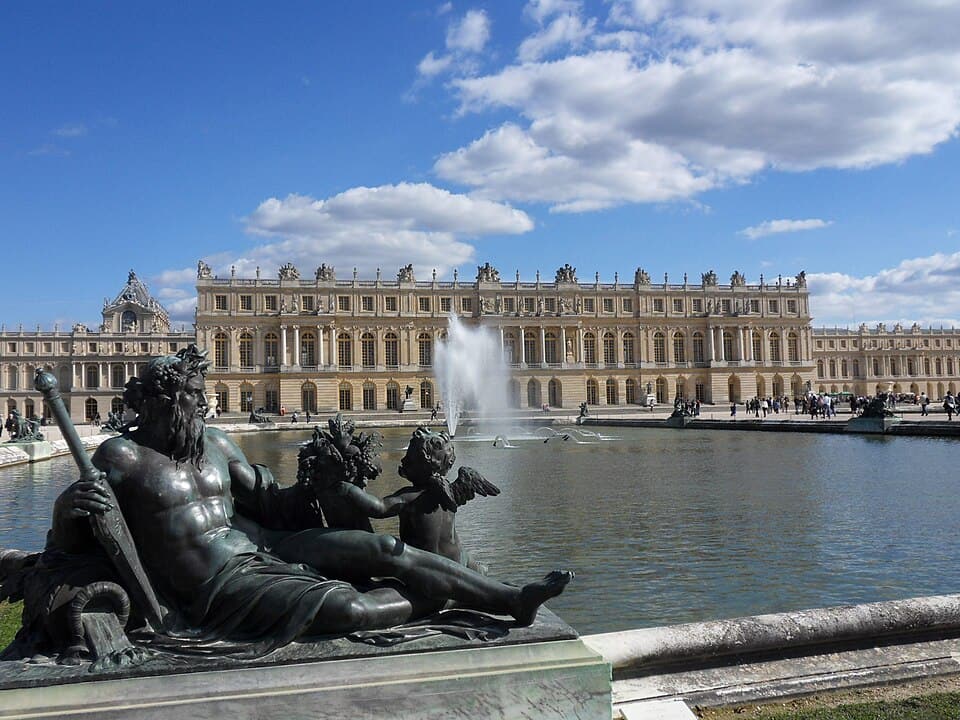
The breathtaking palace and gardens of Versailles stand as the supreme expression of French royal grandeur, a UNESCO World Heritage Site where Louis XIV transformed a modest hunting lodge into the most opulent palace in European history.
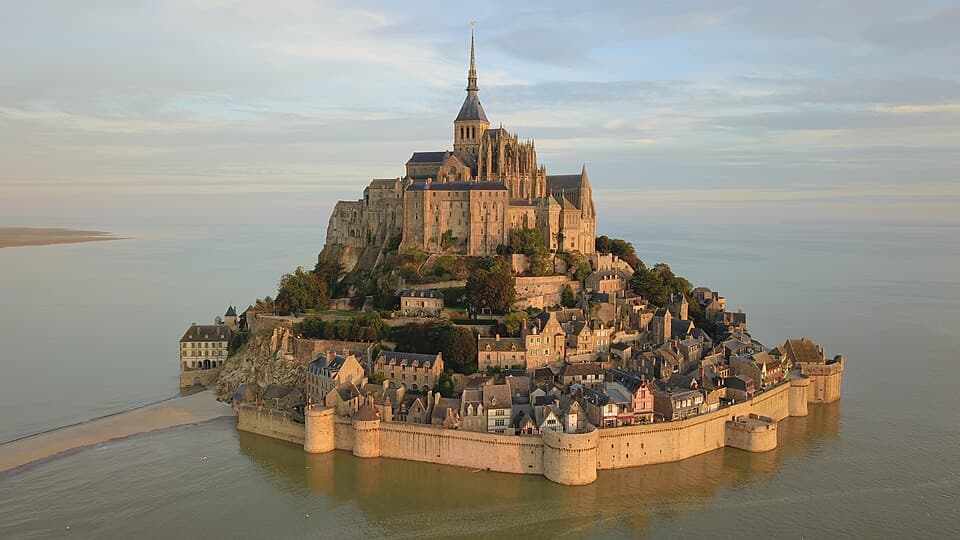
Rising dramatically from the tidal flats of Normandy like a vision from a medieval illuminated manuscript, Mont Saint-Michel is a UNESCO World Heritage abbey fortress that has drawn pilgrims and travelers for over a thousand years.
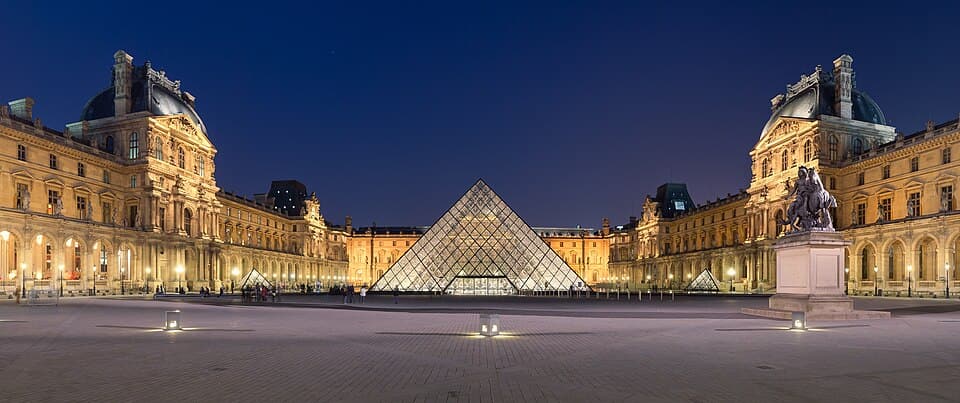
The world's largest and most visited art museum, the Louvre houses an unrivaled collection of over 380,000 objects spanning 9,000 years of human civilization, from ancient Mesopotamian antiquities to 19th-century masterpieces.
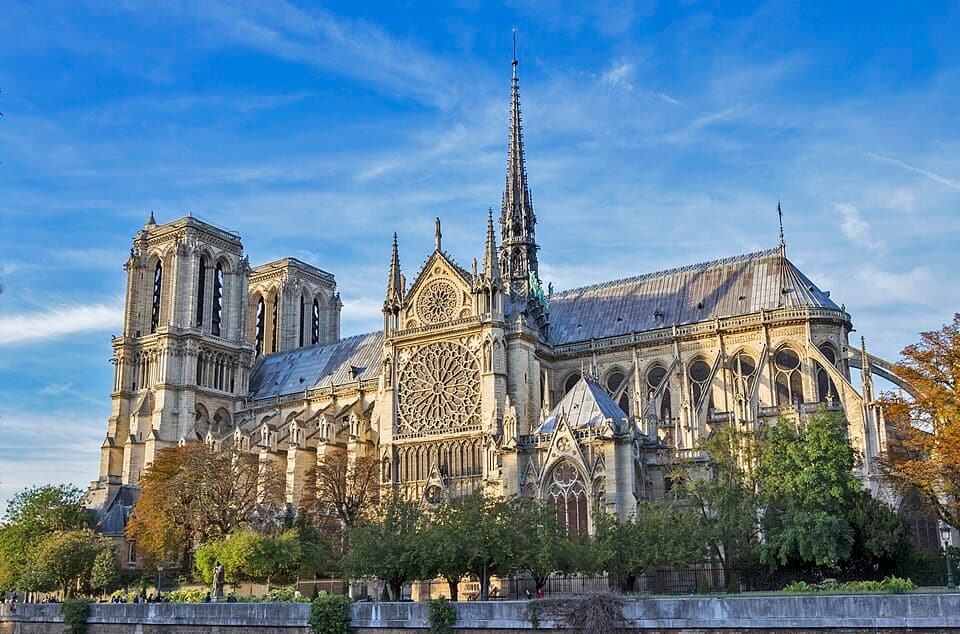
The iconic Gothic cathedral on the Ile de la Cite, a masterpiece of medieval architecture that has stood at the spiritual and geographical heart of Paris for over 800 years, now magnificently restored following the devastating fire of 2019.
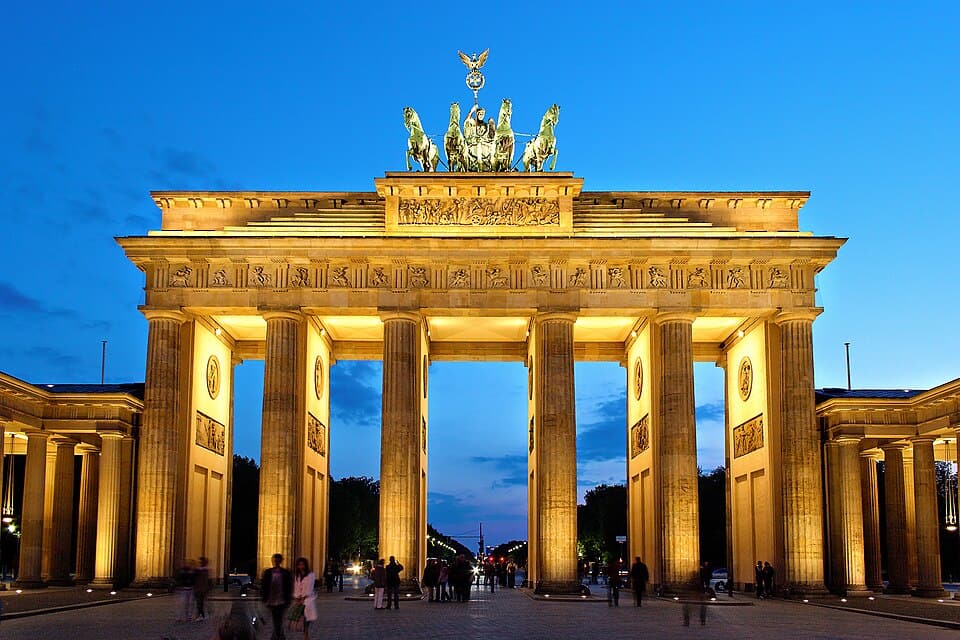
Berlin's most iconic landmark, this neoclassical triumphal arch has stood at the heart of German history for over two centuries, witnessing empire, division, and reunification.
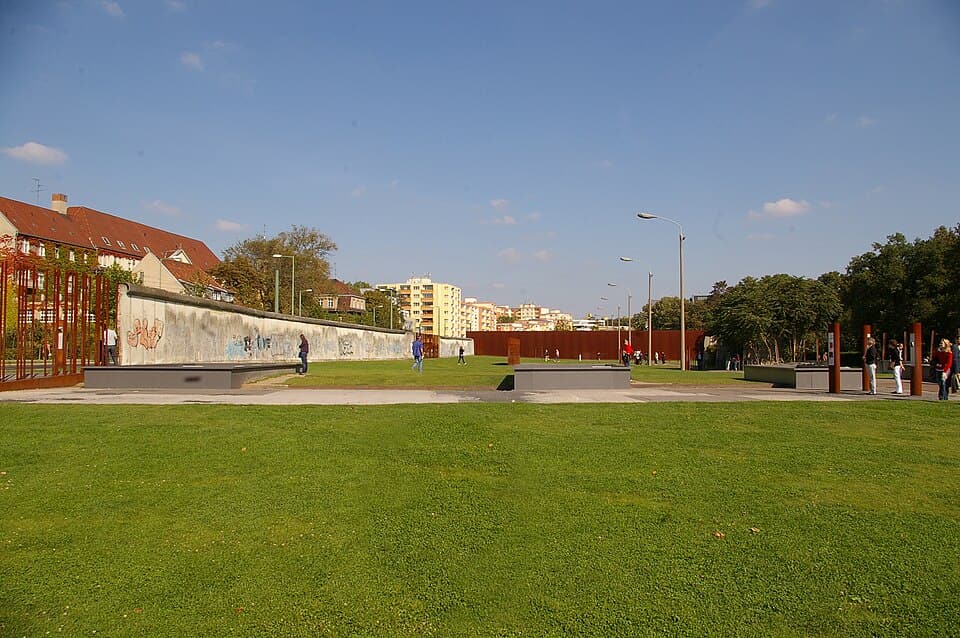
The central memorial site of German division, preserving the last remaining section of the Berlin Wall with its complete border fortification system and a powerful documentation center.
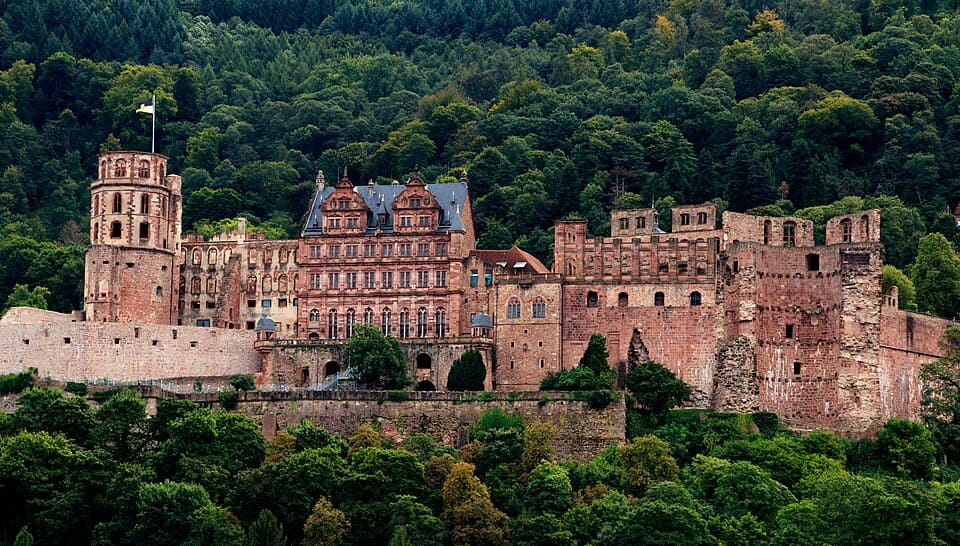
One of Germany's most romantic ruins, this Renaissance castle complex stands majestically above the old town of Heidelberg, offering stunning views over the Neckar Valley and centuries of dramatic history.
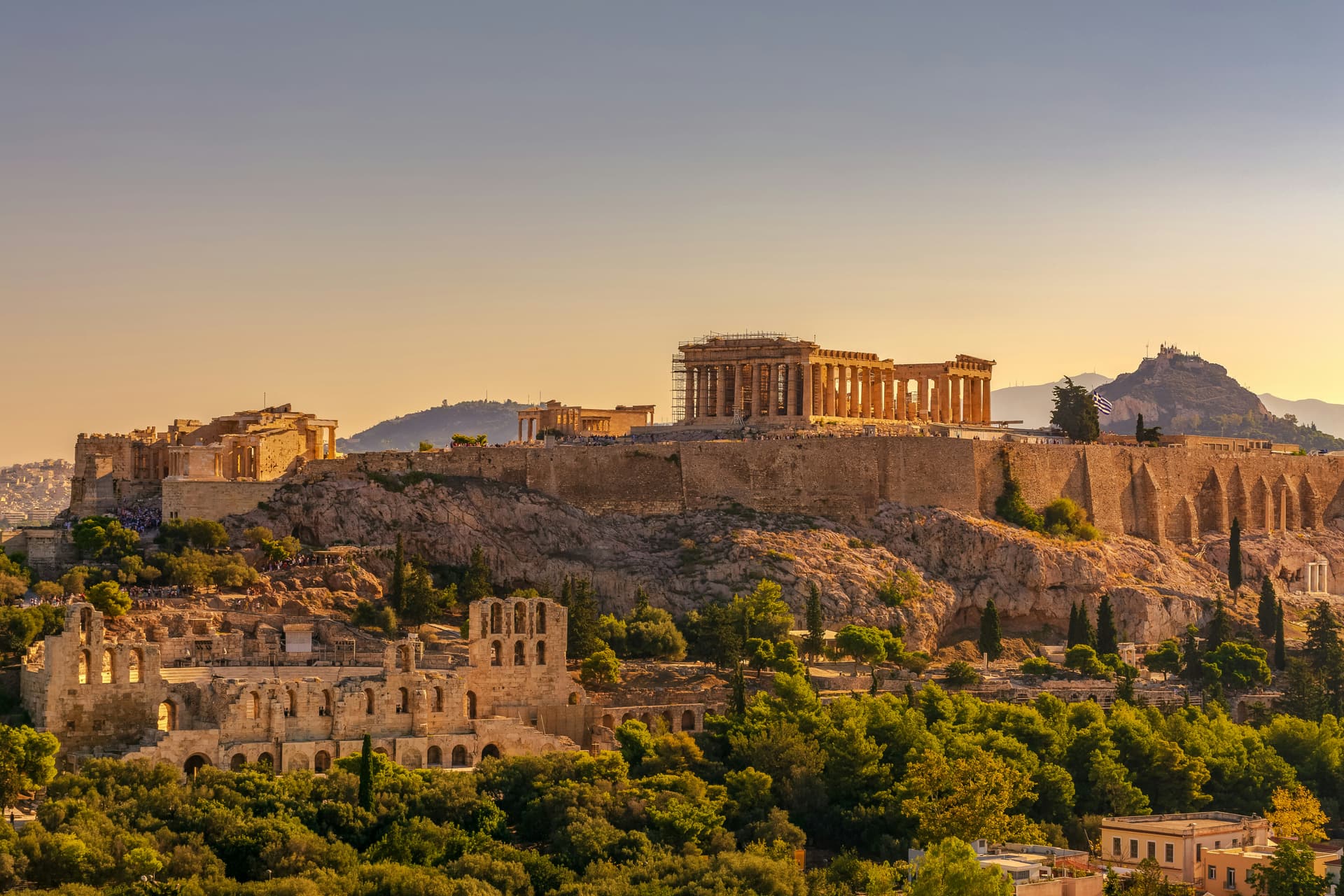
A hilltop citadel home to the Parthenon and enduring symbols of classical Greece.
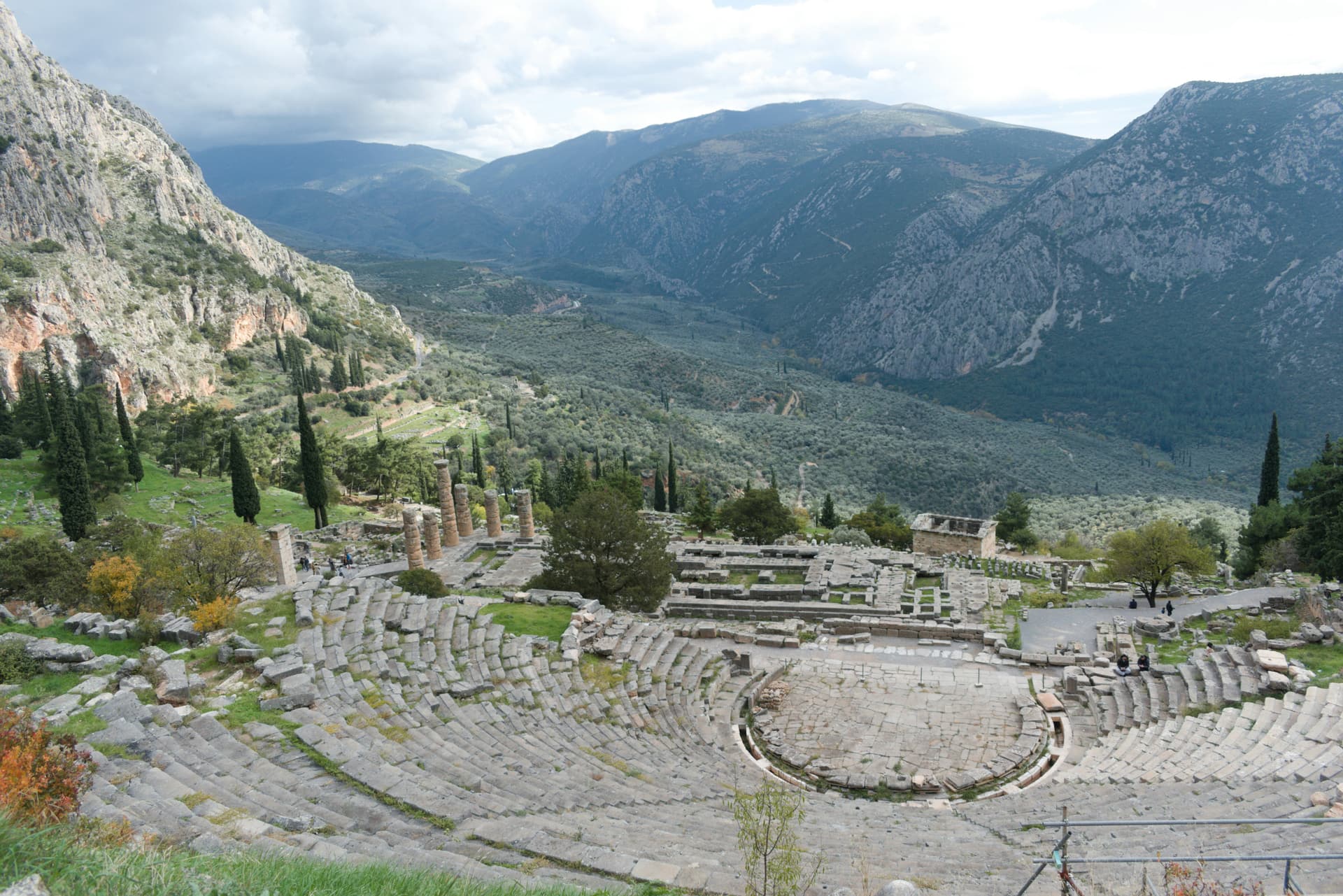
An ancient sanctuary once considered the center of the world, home to the Oracle of Apollo.
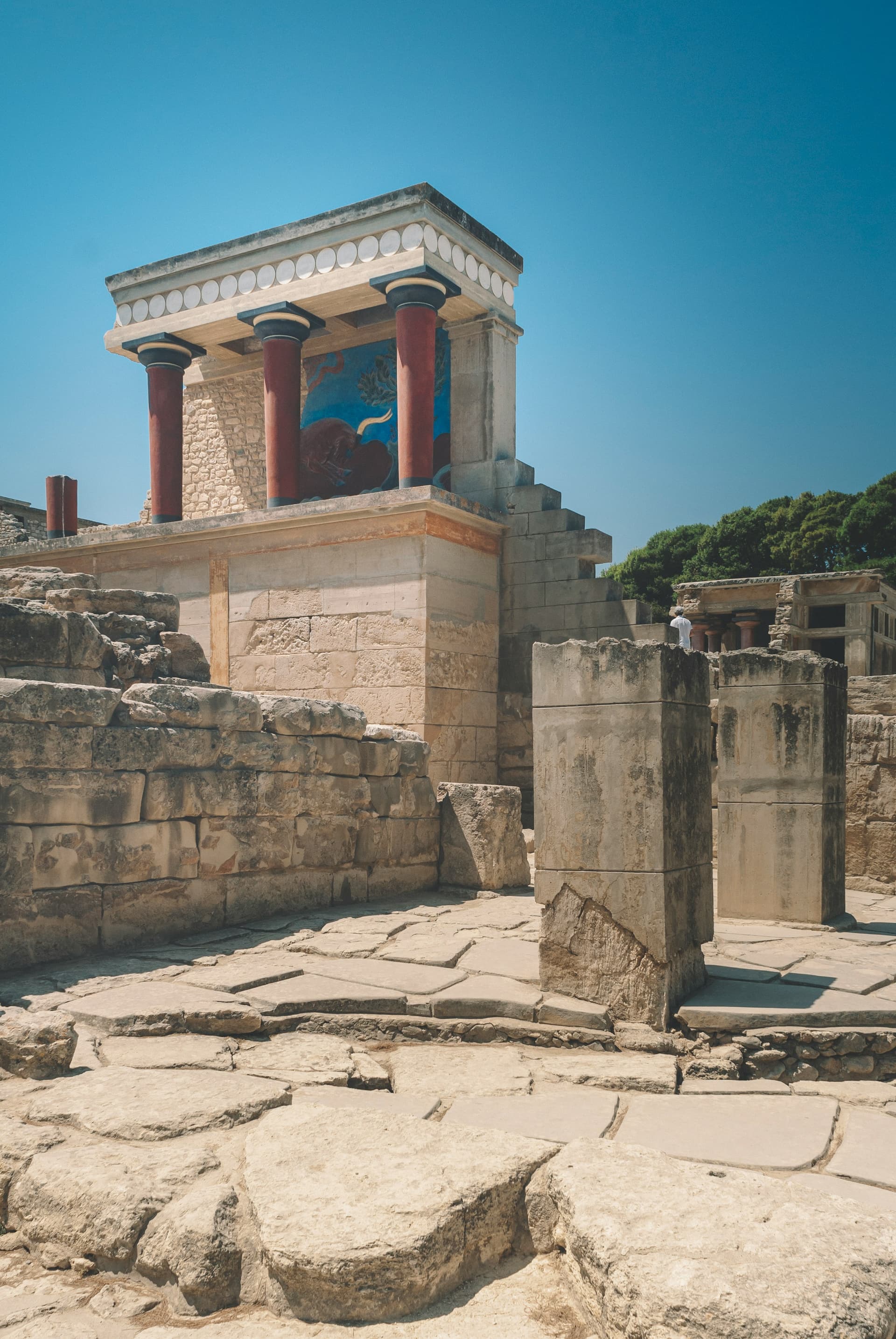
The legendary palace of King Minos and the heart of Minoan civilization.
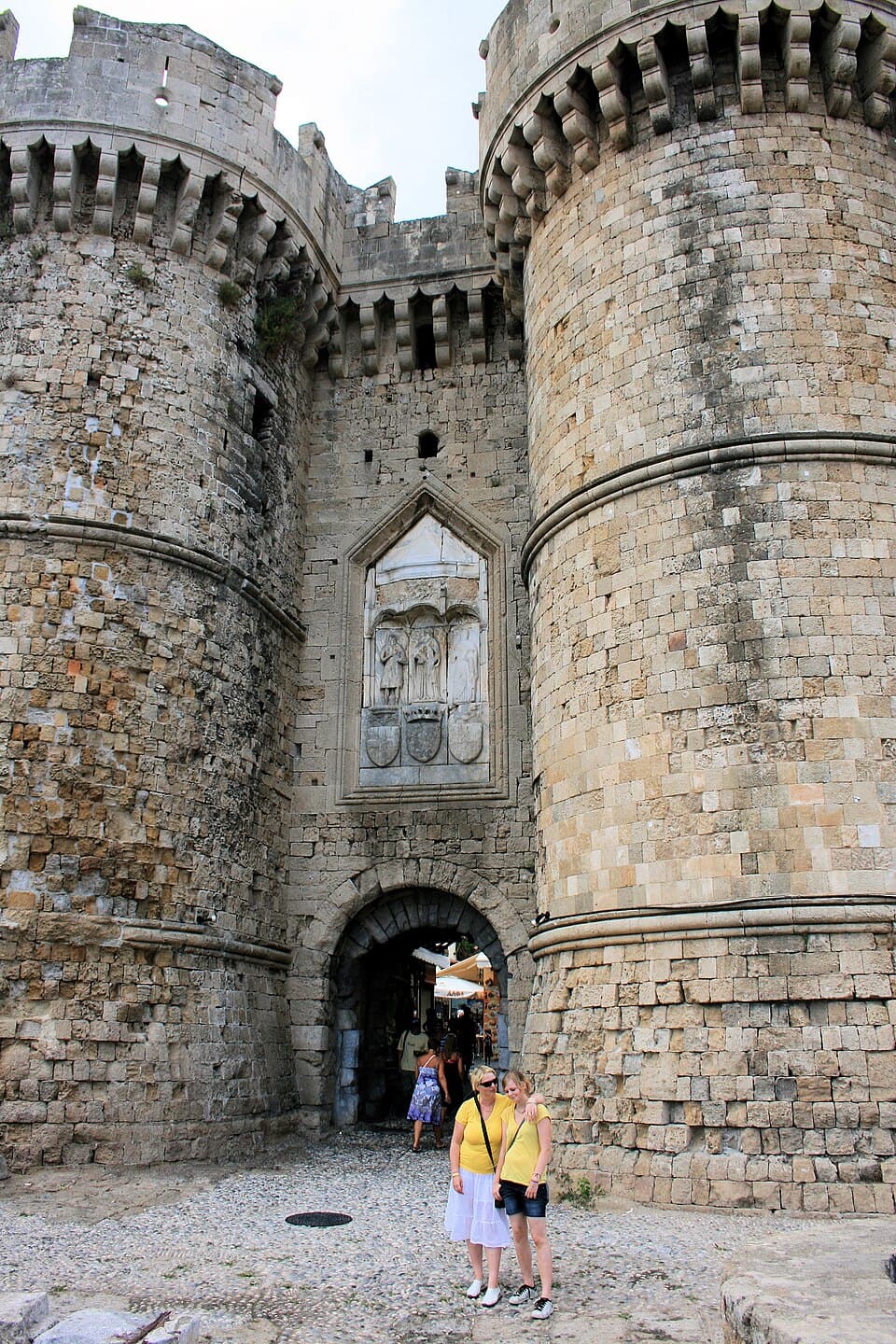
A massive medieval fortress in the heart of Rhodes Old Town, standing as one of the finest examples of Gothic architecture in Greece and a monument to the era of the Knights Hospitaller.
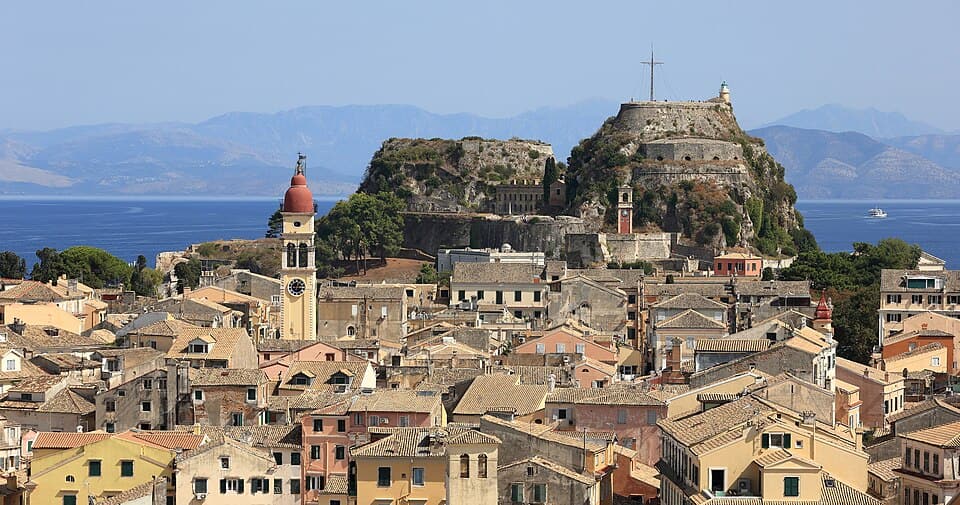
A UNESCO World Heritage site on the lush Ionian island of Corfu, where Venetian fortresses, French arcaded streets, and British colonial architecture create a uniquely layered Mediterranean townscape.
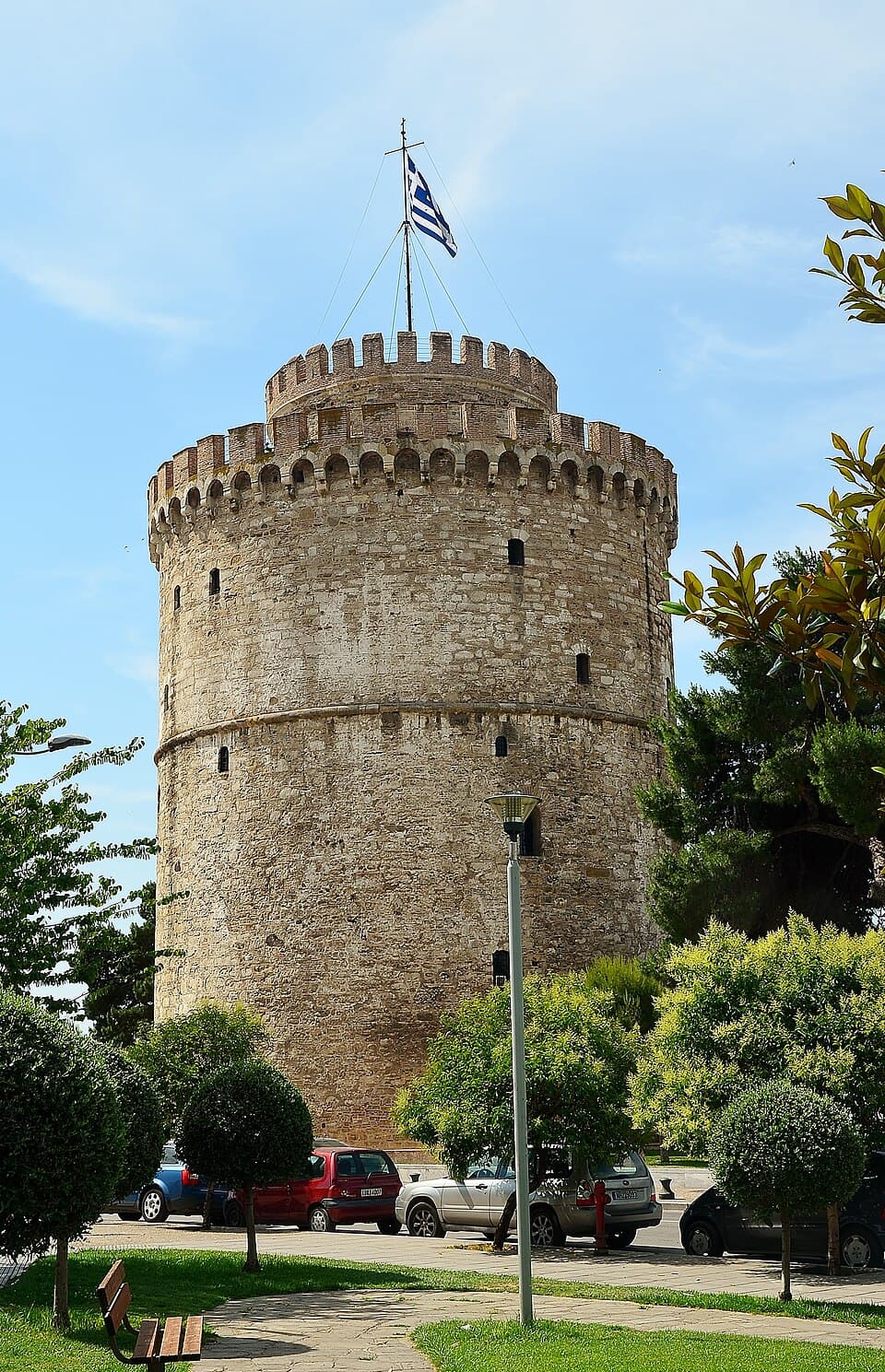
The iconic cylindrical waterfront tower that has served as the defining symbol of Thessaloniki for centuries, now housing a fascinating museum tracing the city's rich and layered history.
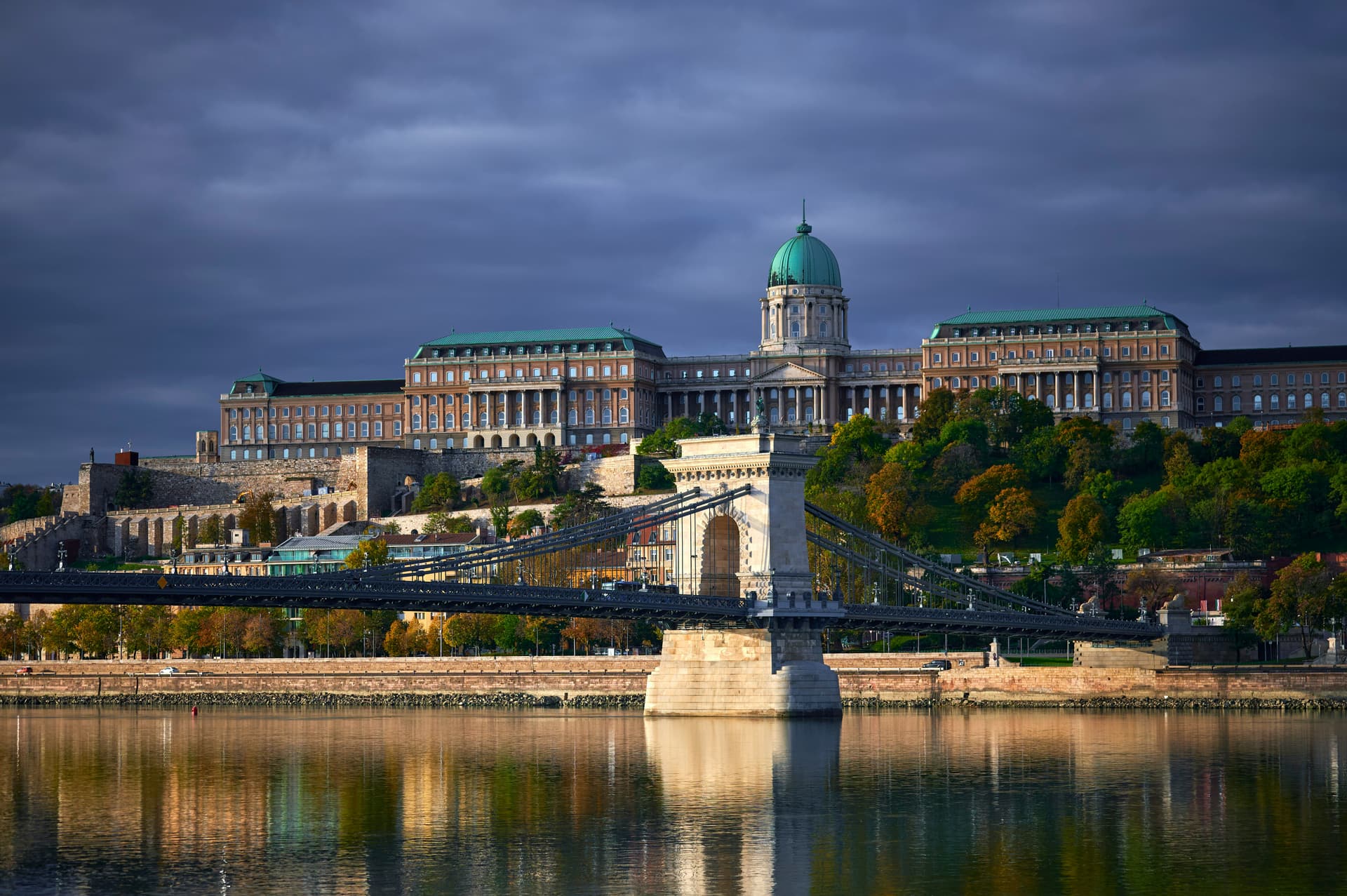
Overlooking the Danube River, Buda Castle is a historical palace complex that showcases Hungary's royal heritage.
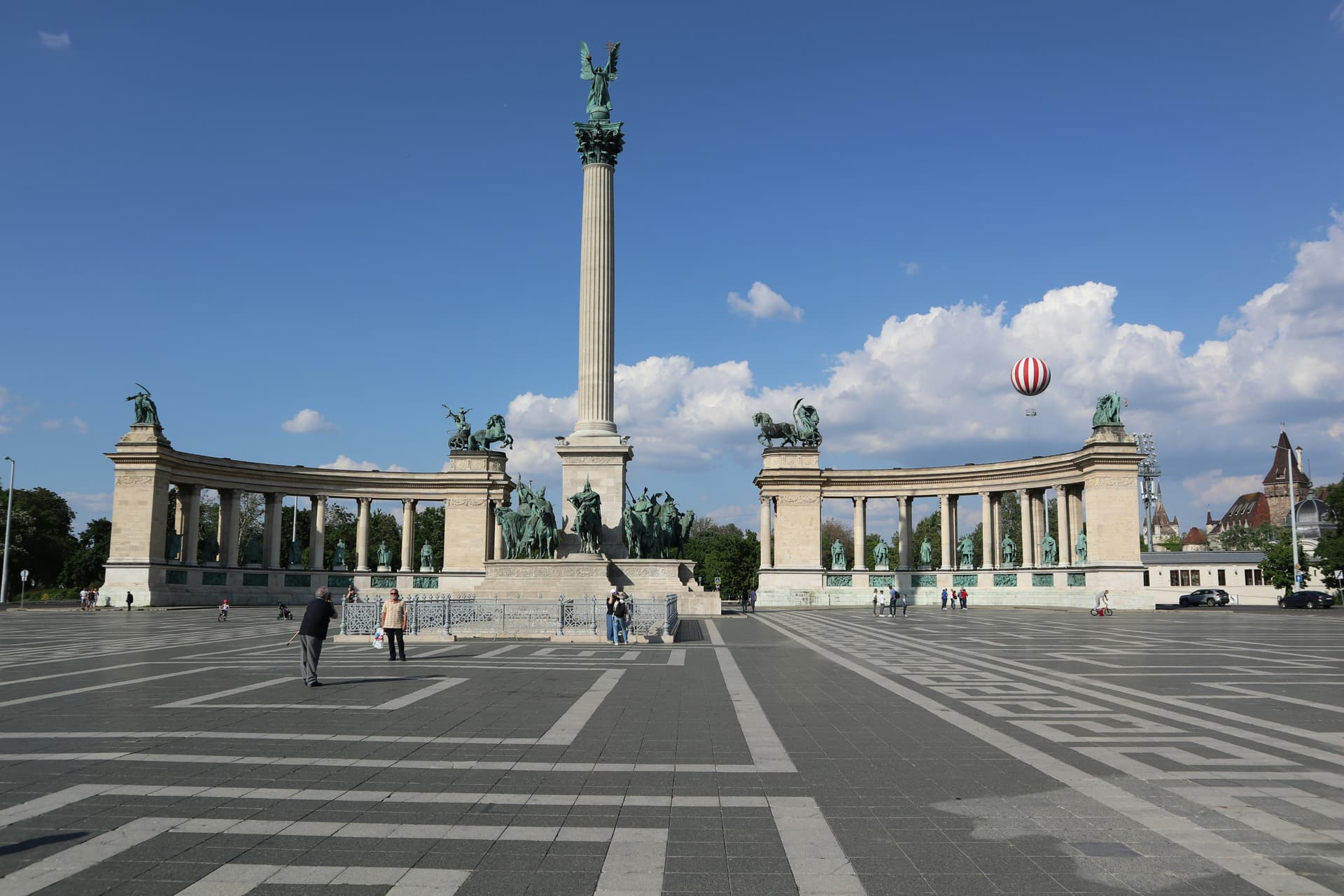
A grand square in Budapest featuring the Millennium Monument and statues of Hungary's historical leaders.
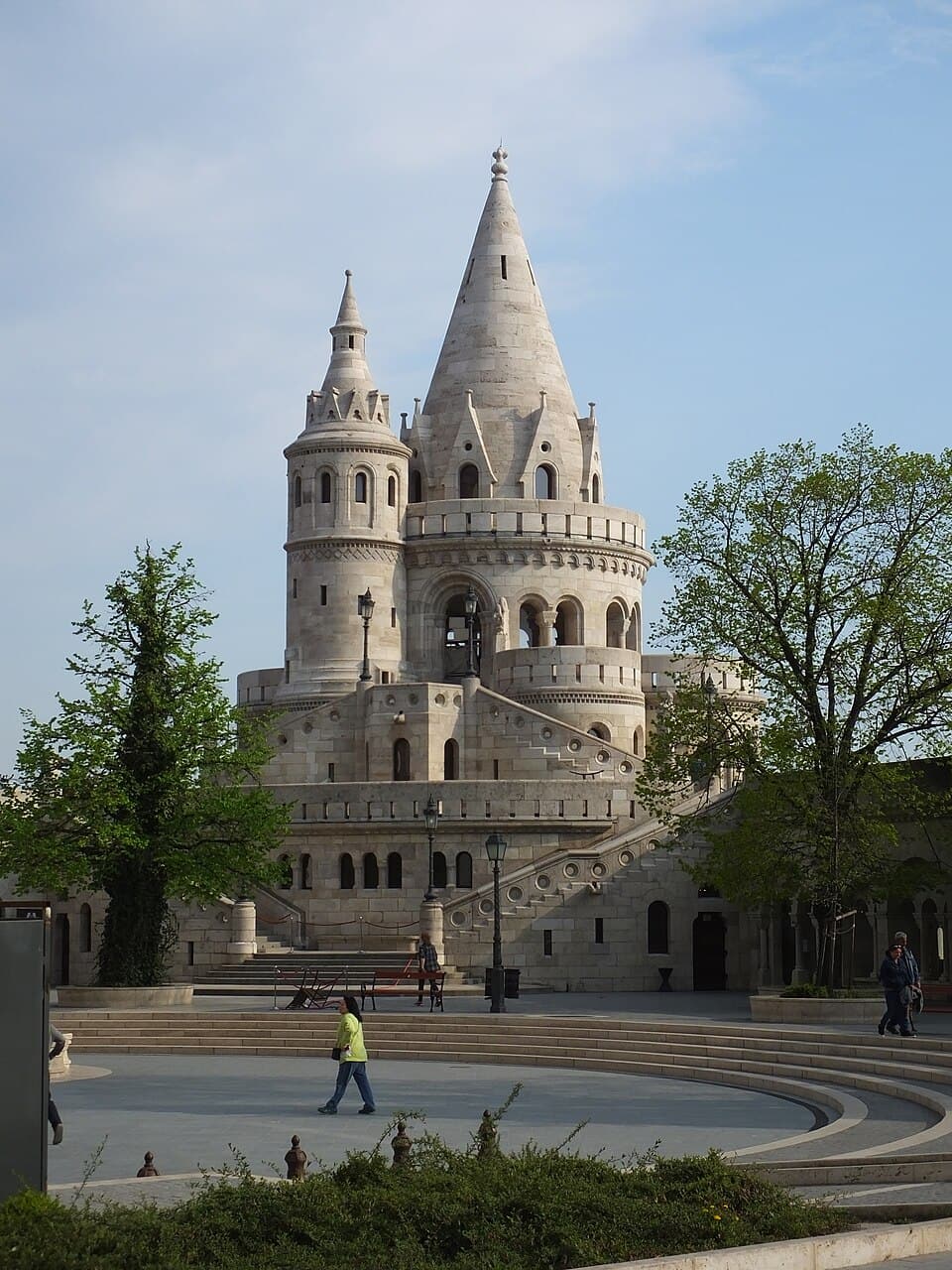
A fairy-tale neo-Gothic terrace offering the best panoramic views of Budapest and the Danube.
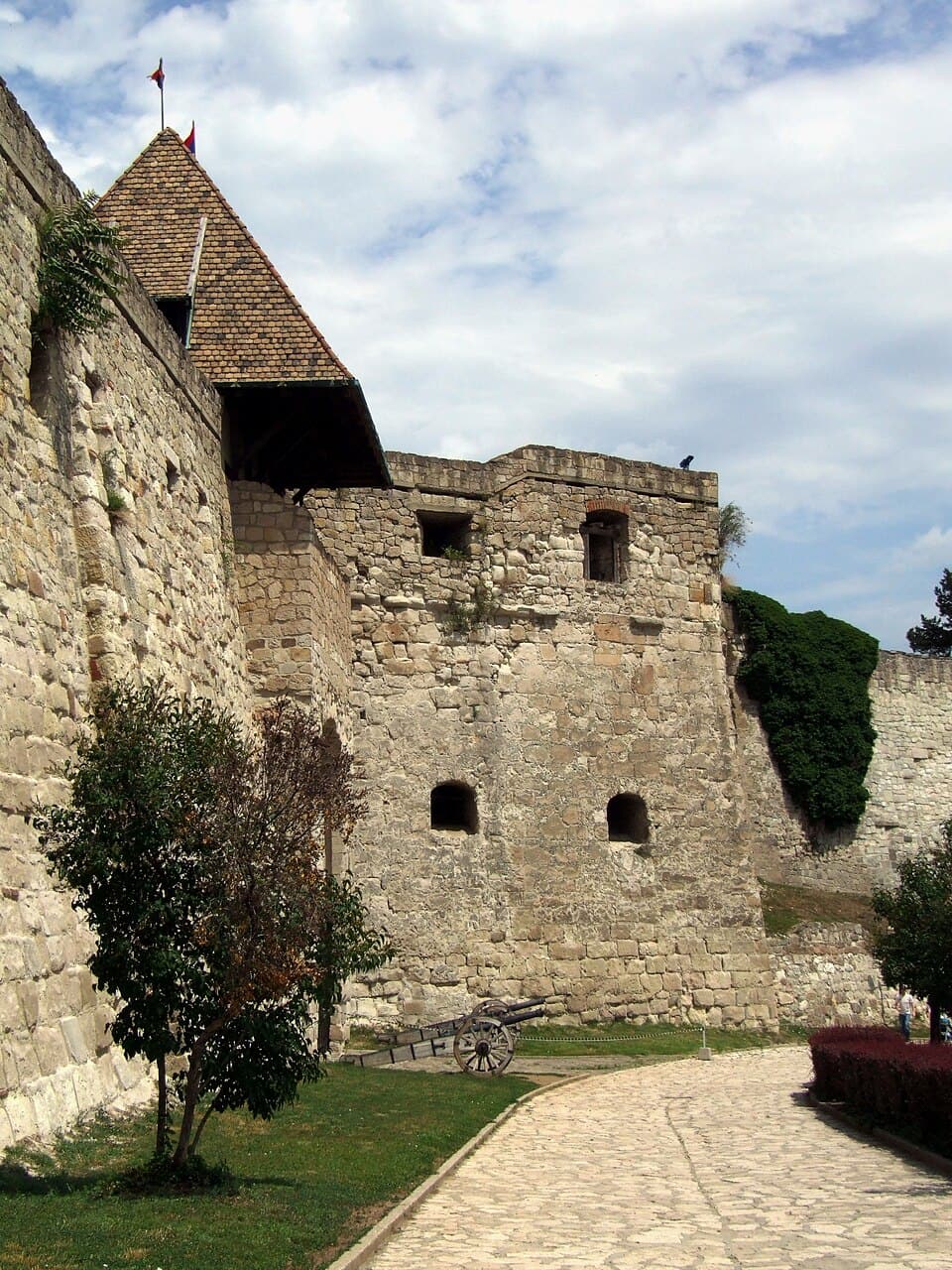
A medieval fortress famous for its heroic defense against the Ottoman siege of 1552, surrounded by Hungary's finest wine region.
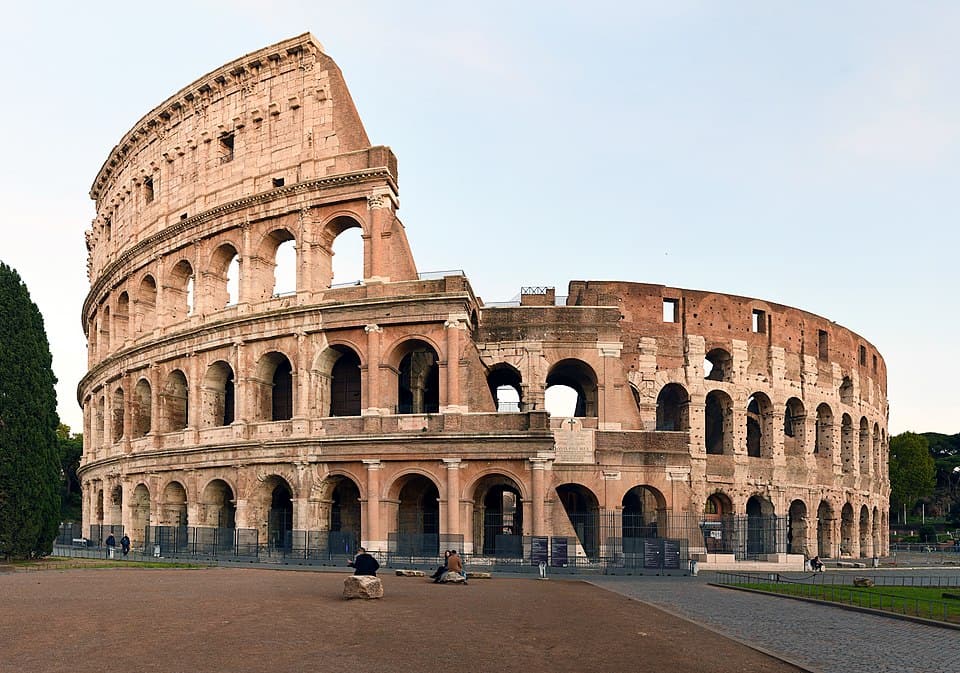
The iconic symbol of Imperial Rome, this ancient amphitheater once hosted gladiatorial contests and public spectacles for up to 80,000 spectators, and remains the largest standing amphitheater in the world.
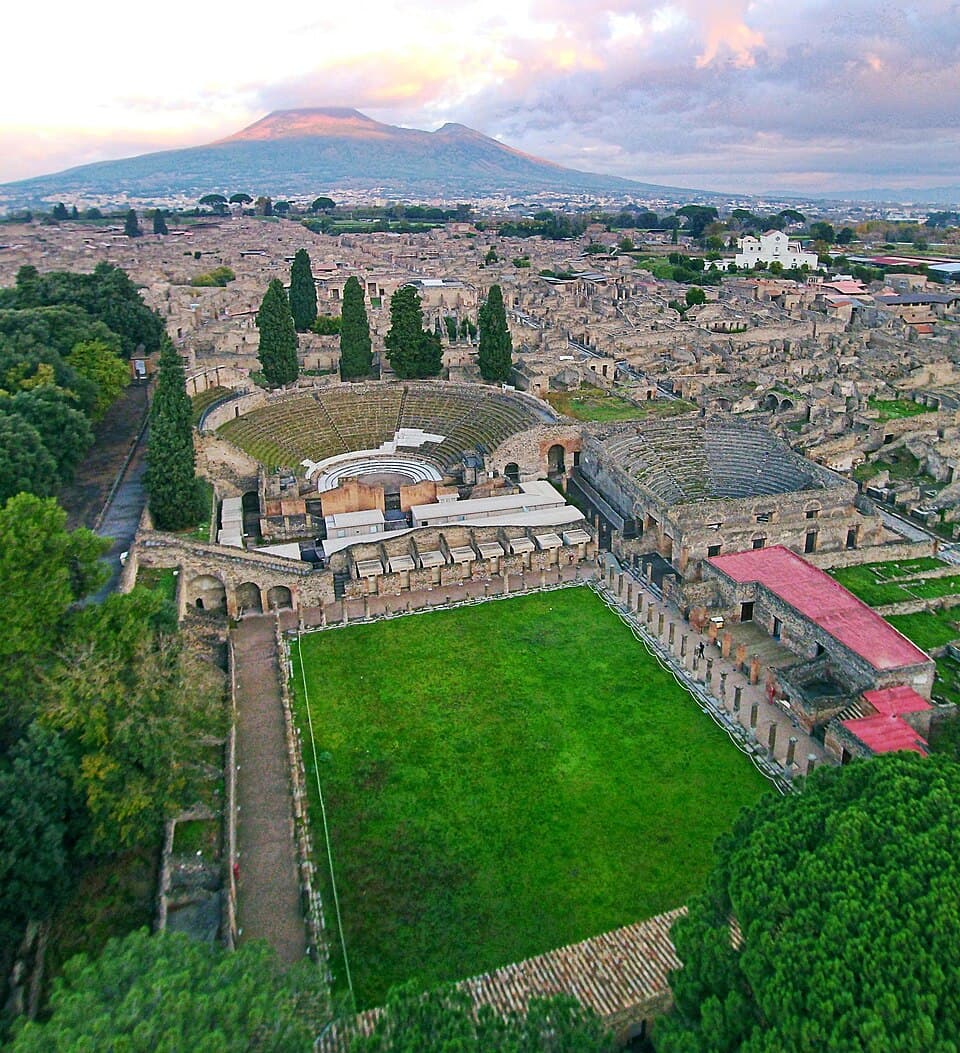
The remarkably preserved ruins of an ancient Roman city frozen in time by the catastrophic eruption of Mount Vesuvius in 79 AD, offering an unparalleled window into daily life in the Roman Empire.
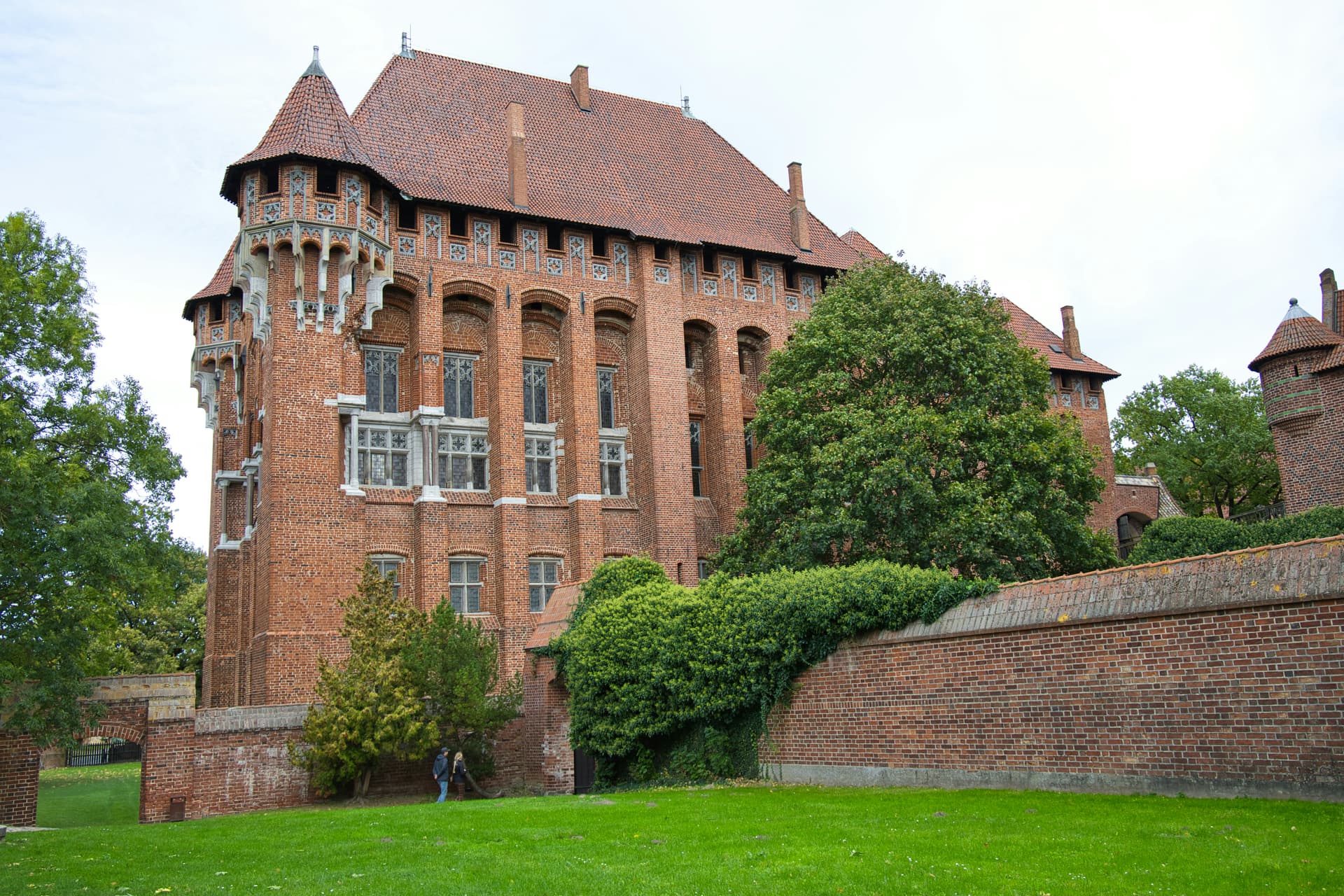
The largest brick castle in the world, a masterpiece of medieval architecture built by the Teutonic Knights.
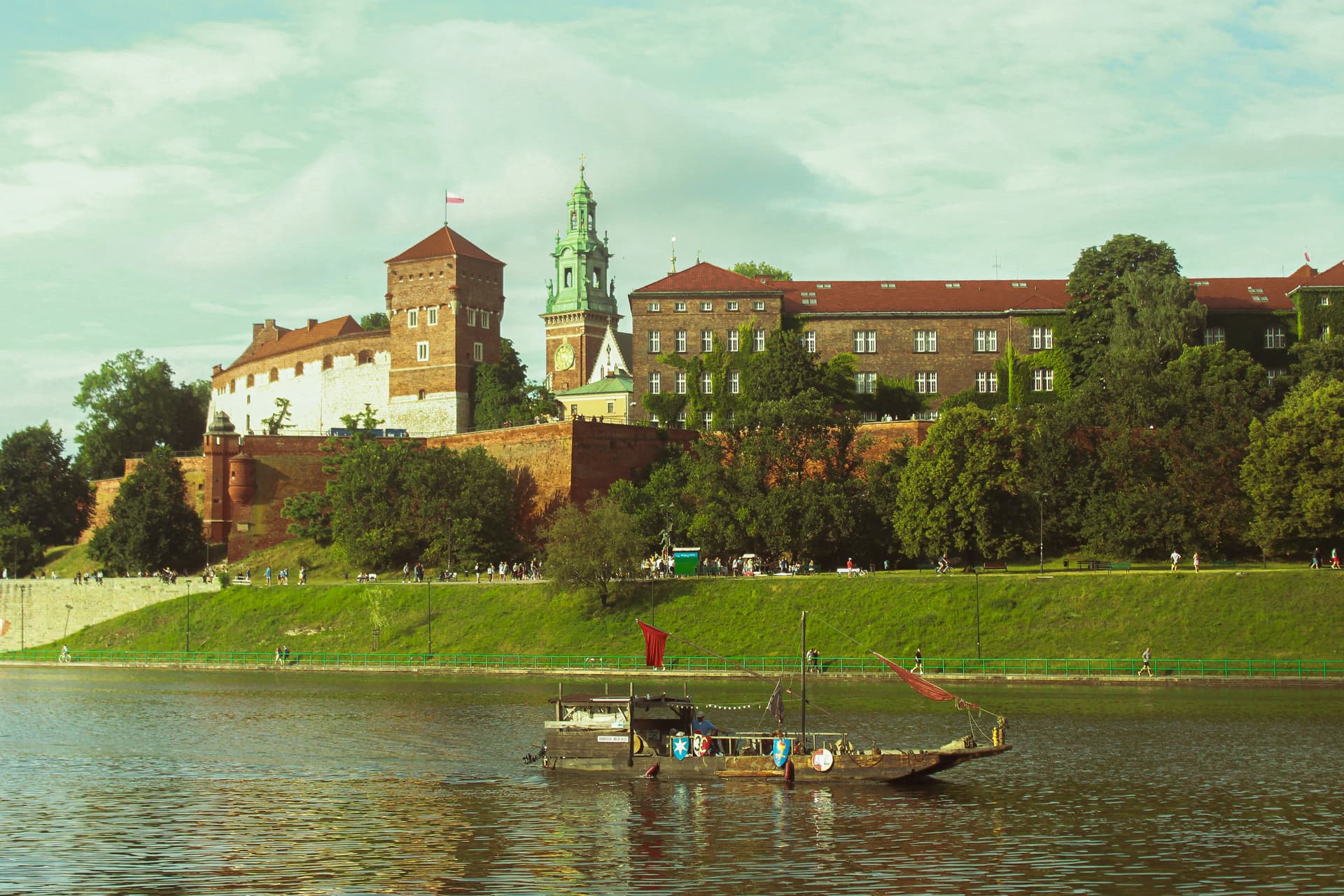
A Renaissance castle complex in Kraków, once the royal residence of Polish kings.
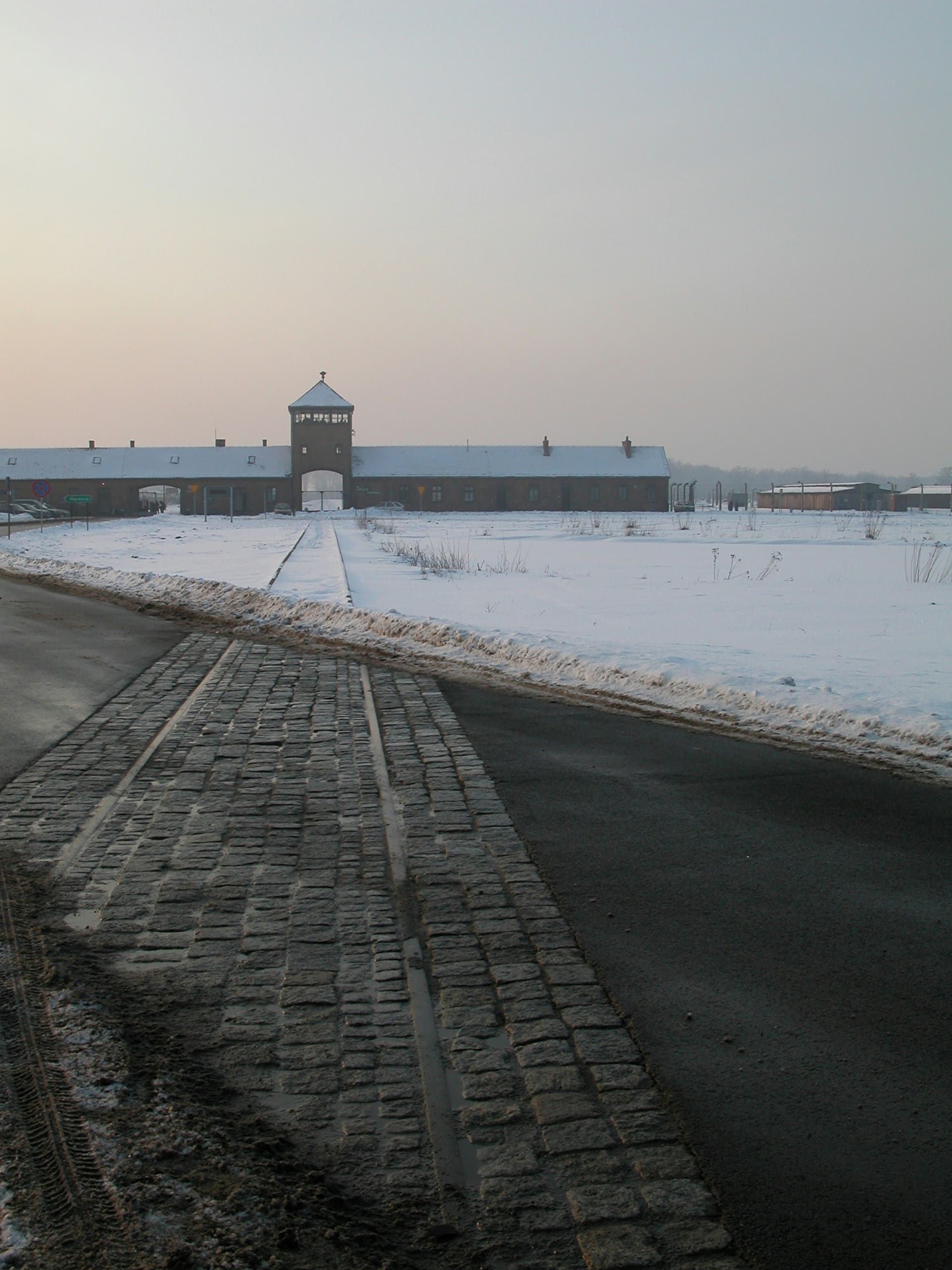
The preserved site of the largest Nazi concentration and extermination camp, now a powerful memorial.
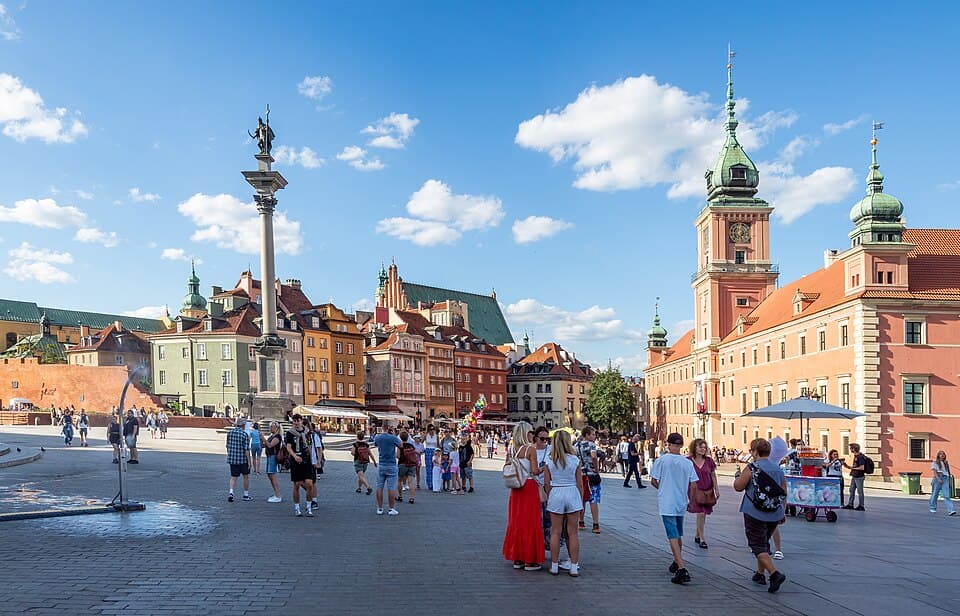
A UNESCO World Heritage site meticulously rebuilt after near-total destruction in World War II, Warsaw's Old Town stands as a powerful symbol of Polish resilience and national identity.
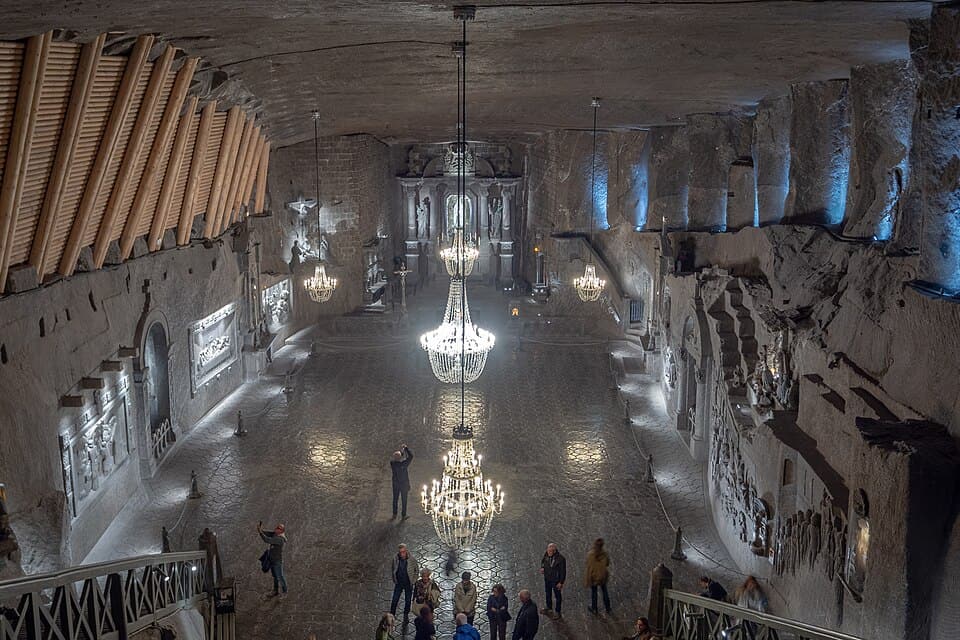
An underground marvel stretching over 287 kilometers of tunnels across nine levels, featuring sculpted chapels, salt-crystal chandeliers, and subterranean lakes — continuously mined from the 13th century until 2007.
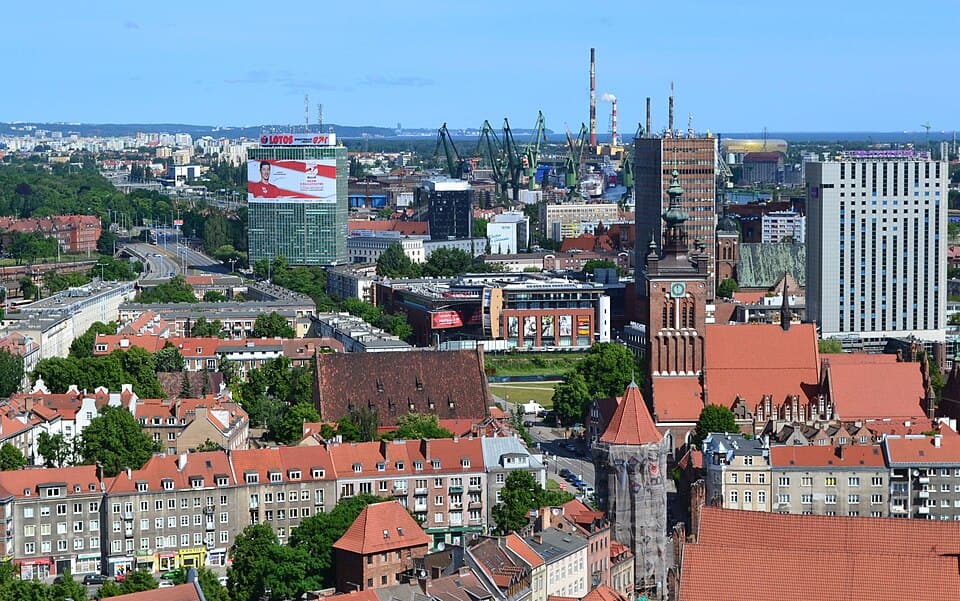
A stunning Baltic port city center of colorful merchant houses lining the Motlawa River, steeped in Hanseatic trading heritage and forever marked as the birthplace of Poland's Solidarity movement.
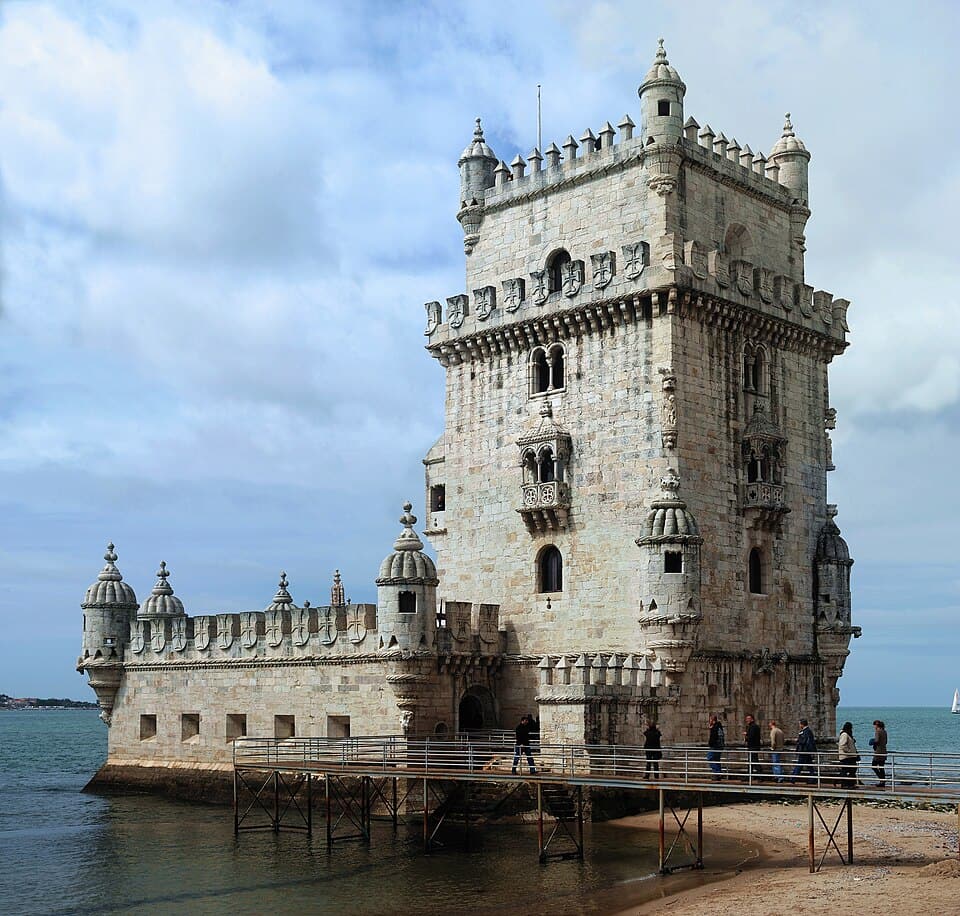
A UNESCO World Heritage fortified tower on the banks of the Tagus River, the Tower of Belem is an iconic symbol of Portugal's Age of Discovery and a masterpiece of Manueline architecture.
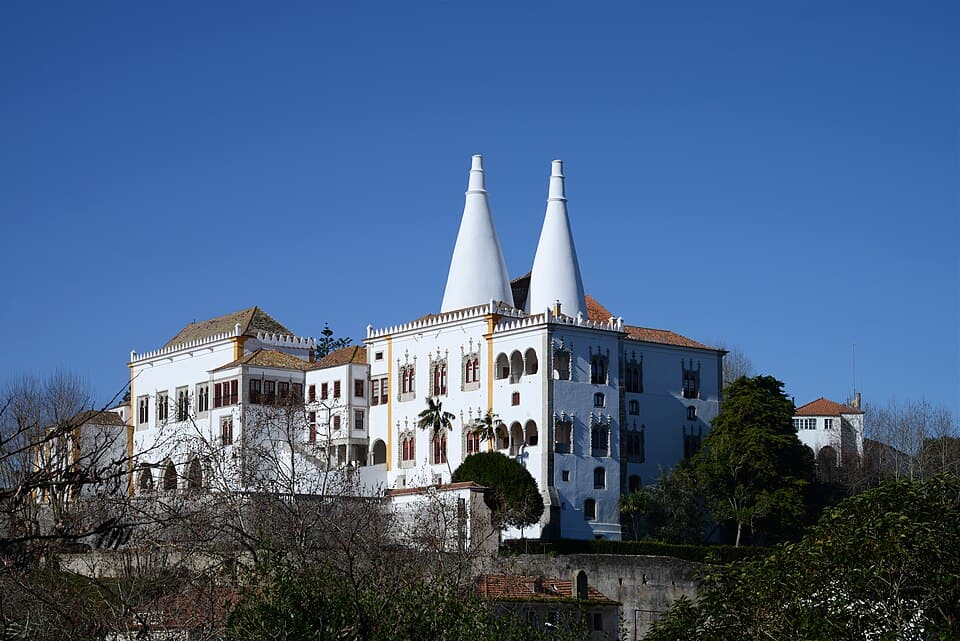
The best-preserved medieval royal palace in Portugal, distinguished by its iconic twin conical chimneys and a remarkable interior decorated with the finest examples of Mudéjar tilework on the Iberian Peninsula.
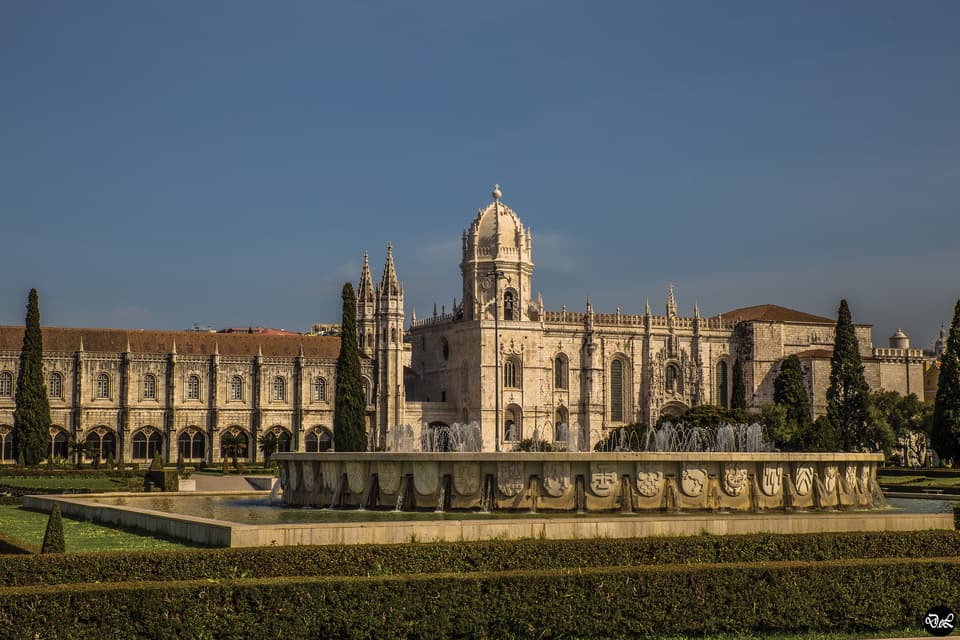
A UNESCO World Heritage masterpiece of Manueline architecture, this stunning 16th-century monastery in Lisbon's Belem district celebrates Portugal's Age of Discovery and houses the tomb of Vasco da Gama.
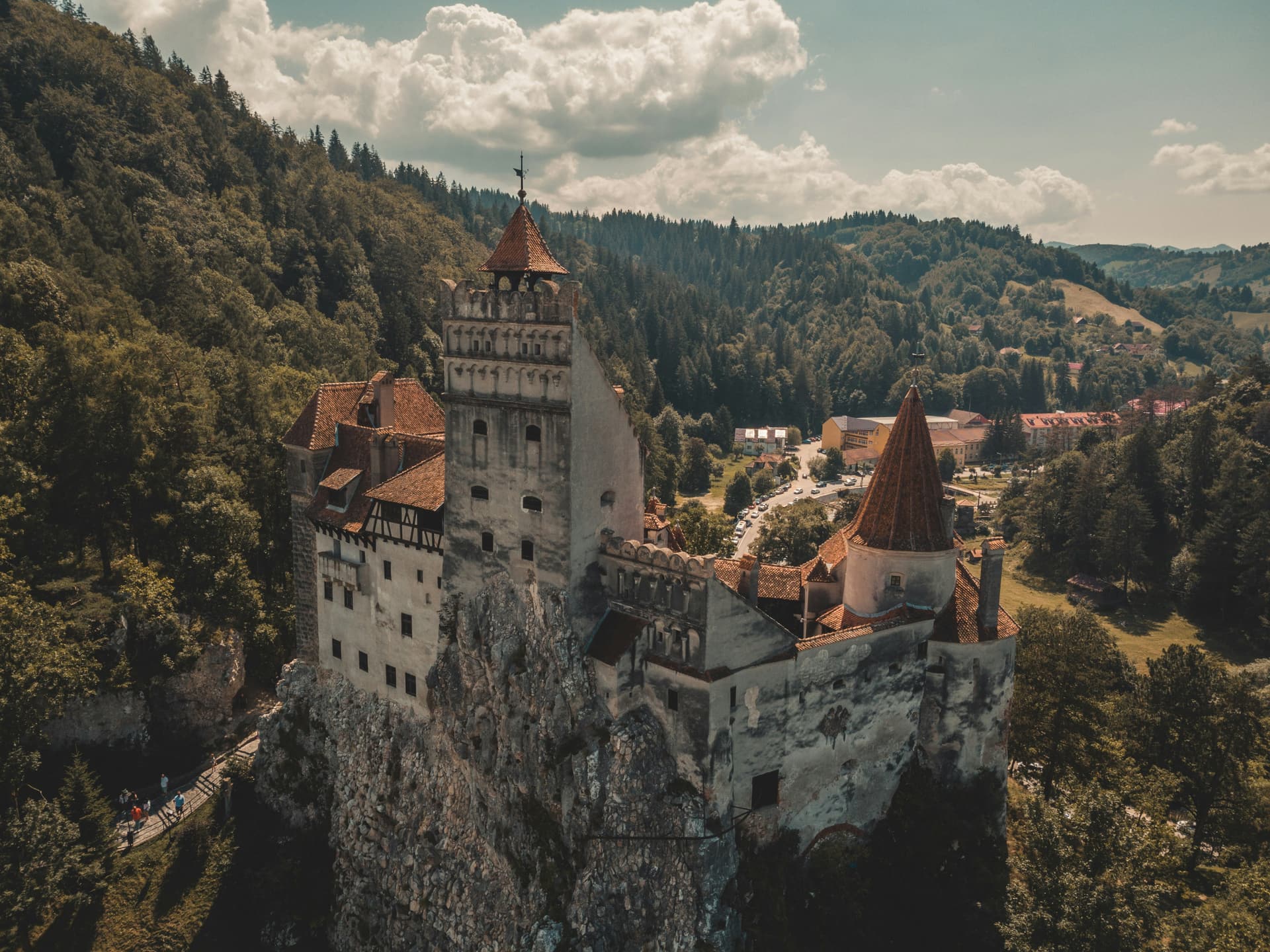
Often referred to as 'Dracula's Castle', this iconic fortress is nestled in the Carpathian Mountains and is a symbol of Romanian history and legend.
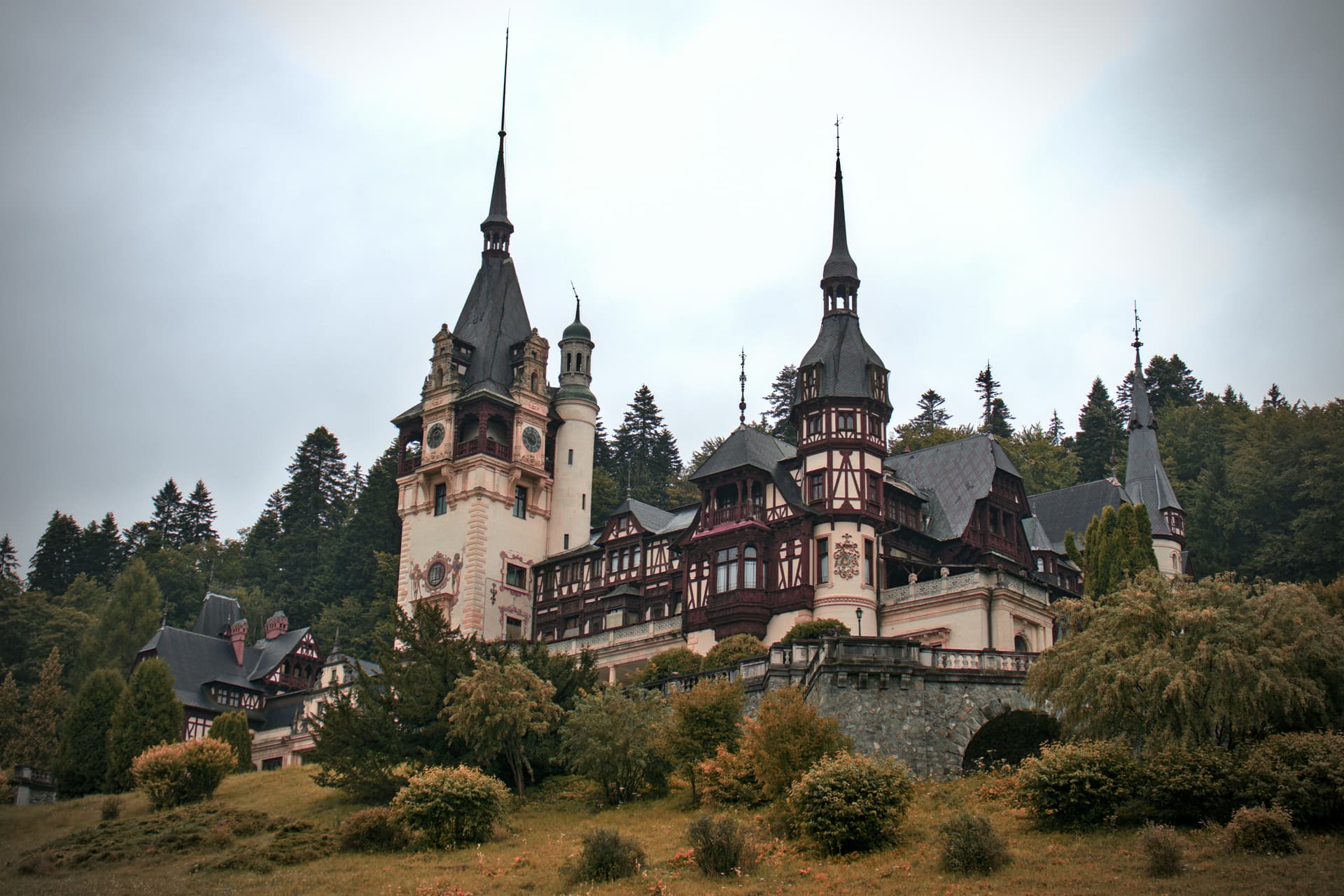
A Neo-Renaissance masterpiece tucked into the Carpathian Mountains, Peleș Castle is one of Europe's most stunning castles, boasting ornate rooms, stained glass, and royal history.
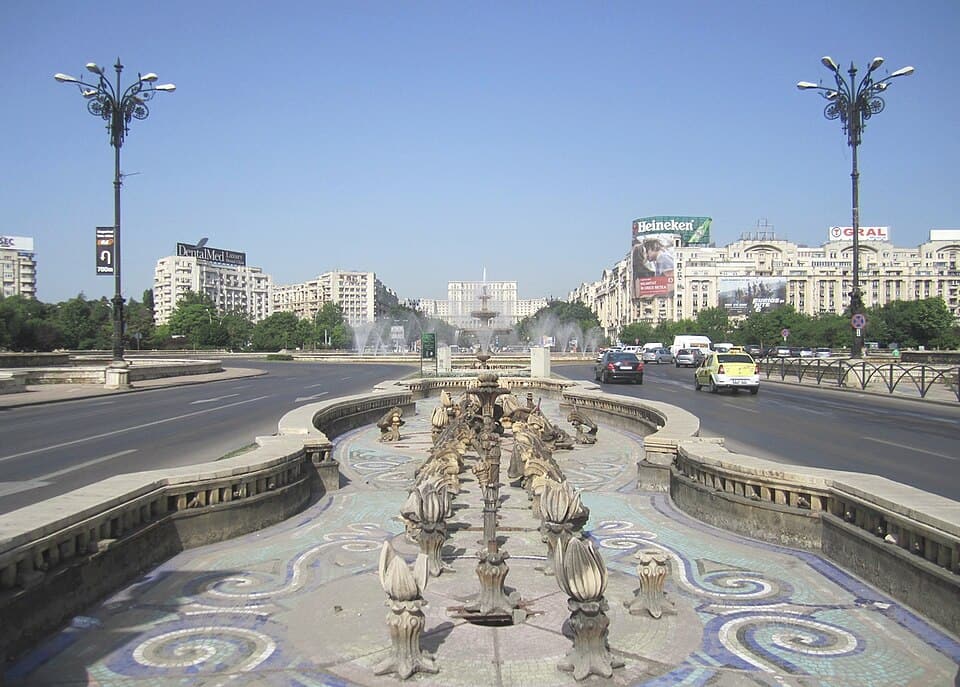
The world's heaviest building and second-largest administrative building after the Pentagon, a staggering monument to megalomaniacal ambition in the heart of Bucharest.
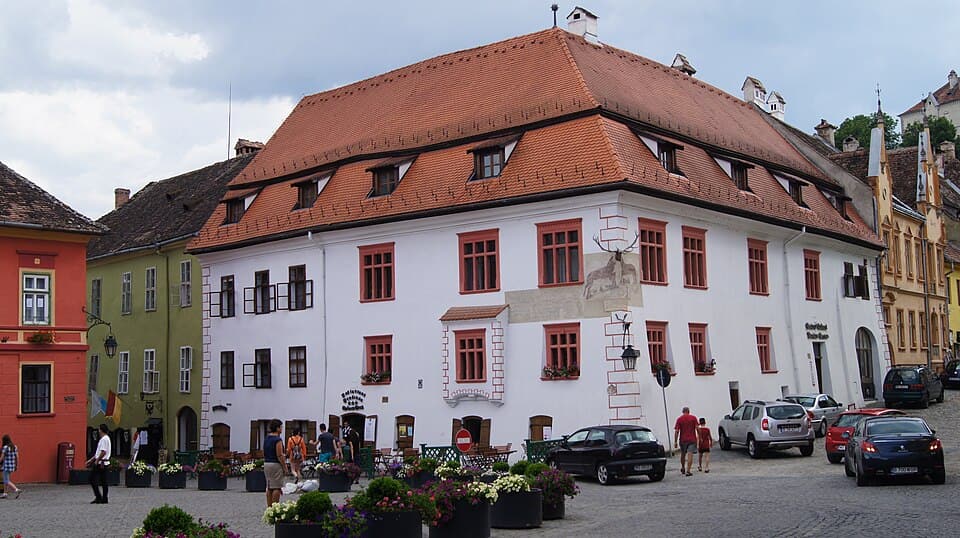
A UNESCO World Heritage medieval citadel and one of the best-preserved inhabited fortified towns in Europe, famous as the birthplace of Vlad the Impaler.
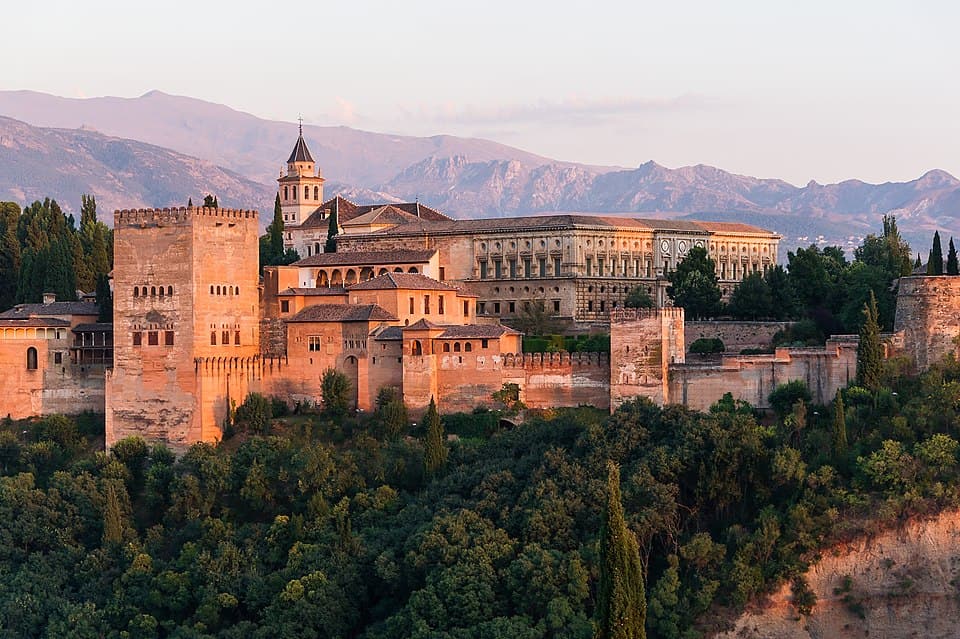
A breathtaking Moorish palace and fortress complex perched above Granada, the Alhambra is the finest example of Islamic architecture in Europe and a testament to the sophisticated culture of Al-Andalus.
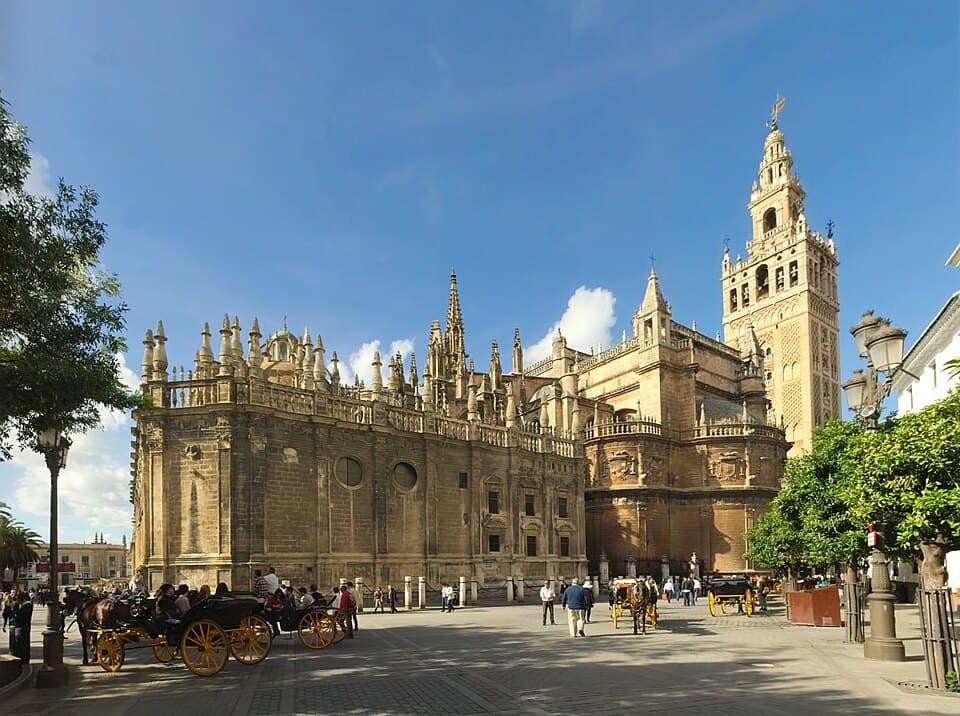
The largest Gothic cathedral in the world and the third-largest church overall, Seville Cathedral is a stunning monument to Christian triumph and artistic ambition, housing the tomb of Christopher Columbus.
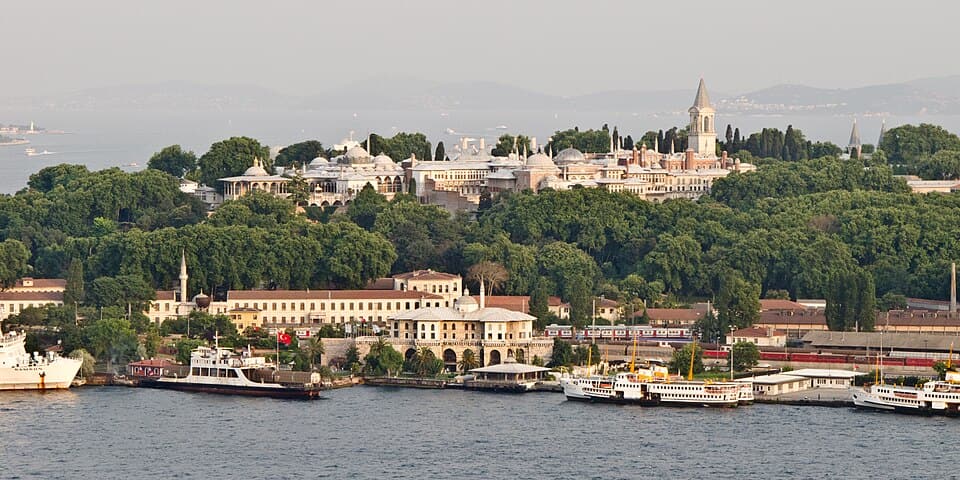
The magnificent imperial residence of the Ottoman sultans for nearly four centuries, housing priceless collections of jewels, relics, manuscripts, and the legendary Harem.
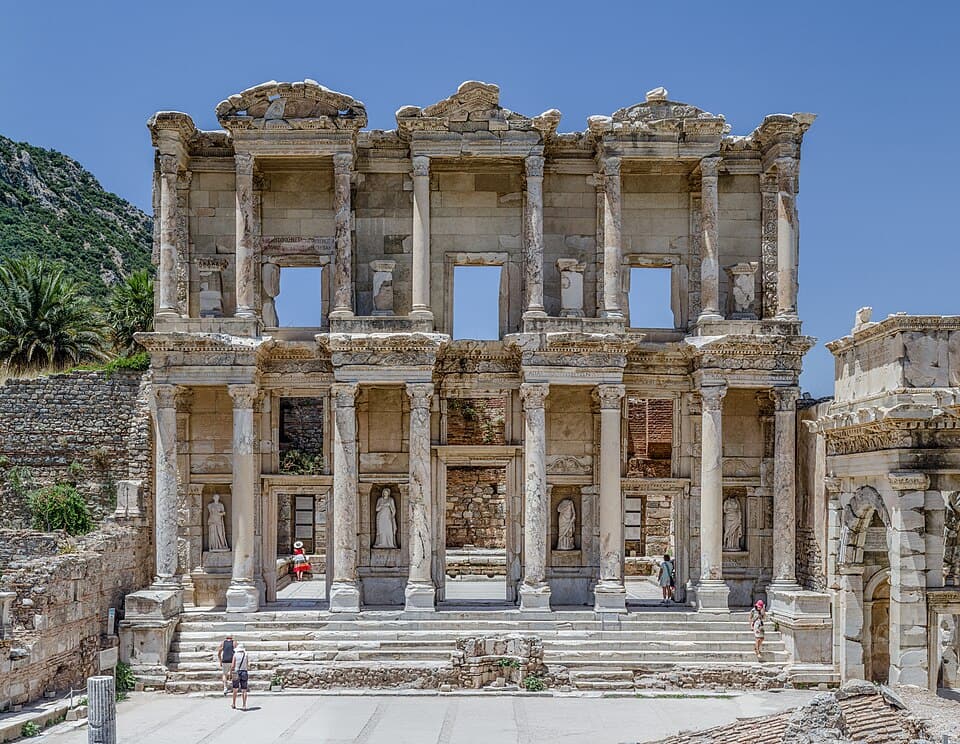
One of the best-preserved ancient cities in the Mediterranean world, featuring the magnificent Library of Celsus, a 25,000-seat Great Theatre, and remarkably intact Roman streets.