The 10 Best Christmas Markets in Europe You Can't Miss
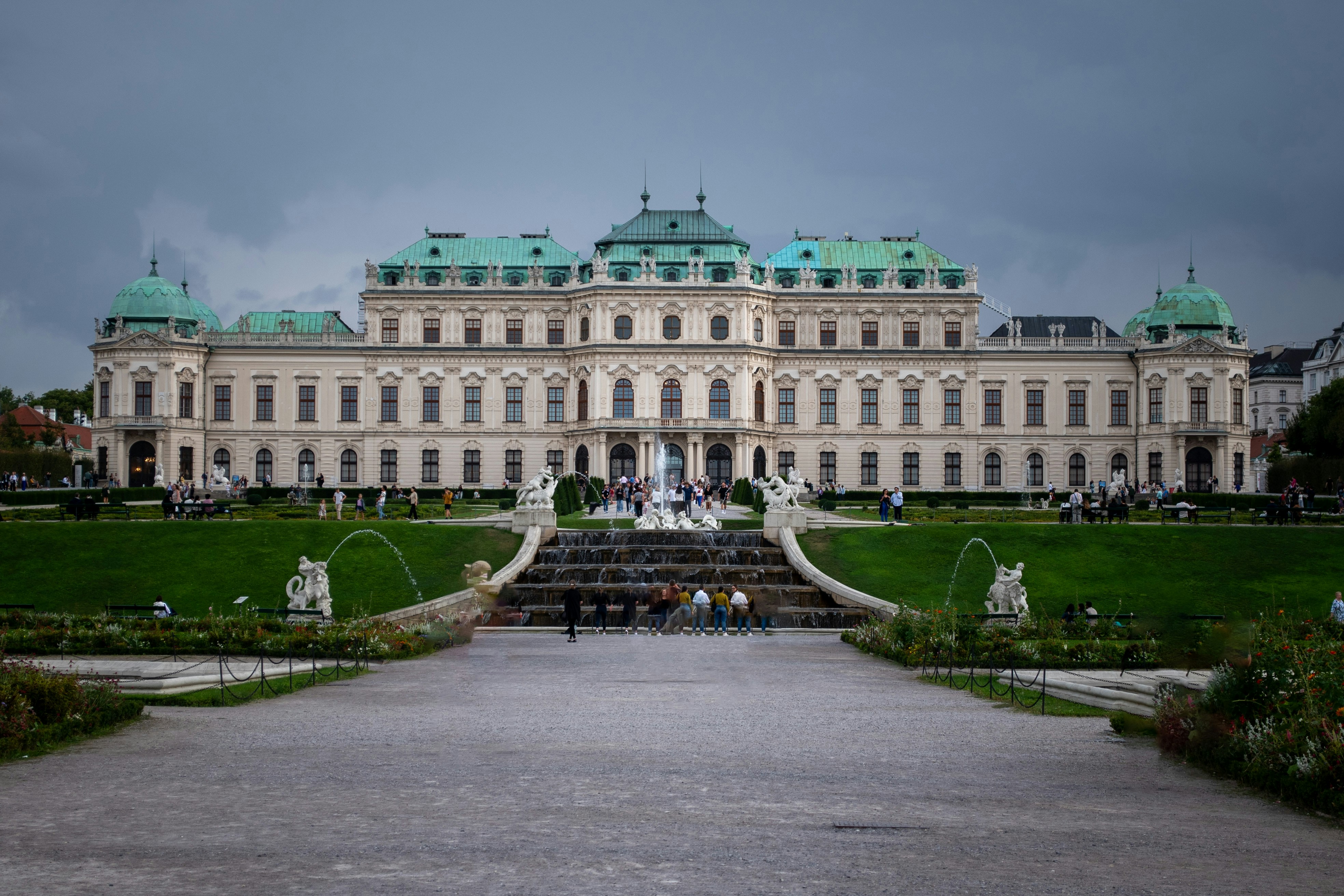
Why Europe's Christmas Markets Are Worth the Trip
Every November, town squares across Europe transform into enchanting winter wonderlands filled with twinkling lights, the scent of roasted chestnuts, and rows of wooden stalls selling handcrafted ornaments and seasonal treats. The tradition dates back to the Late Middle Ages in Germany and has since spread across the continent, with each city adding its own cultural flair. Whether you're sipping glühwein beneath a Gothic cathedral or shopping for hand-blown glass ornaments in a Bohemian square, Europe's Christmas markets offer an experience no other holiday tradition can match.

1. Prague, Czech Republic — Old Town Square Market
Prague's Christmas market sprawls across Old Town Square beneath the twin spires of the Church of Our Lady before Tyn. The market runs from late November through early January, giving visitors plenty of time to explore. Stalls sell Bohemian crystal, wooden marionettes, and handmade lace alongside Czech holiday treats like trdelník (chimney cake) and klobása (grilled sausage). A towering Christmas tree anchors the square, and a live nativity scene adds old-world charm. Evening concerts fill the air with carols as the astronomical clock puts on its hourly show for gathered crowds.
Don't miss the secondary market in Wenceslas Square, which stretches along the boulevard with additional food stalls and gift vendors. The combination of Gothic and Baroque architecture lit up at night makes Prague arguably the most photogenic Christmas market destination in all of Europe.
Book a guided Prague Christmas Market walking tour on Viator to learn the history behind the traditions and discover hidden stalls the crowds miss.
2. Vienna, Austria — Rathausplatz Christkindlmarkt
Vienna's flagship market in front of City Hall is one of the oldest and grandest in Europe, dating back to 1298. Over 150 stalls fill Rathausplatz, selling hand-painted baubles, beeswax candles, and Viennese confections. The neo-Gothic Rathaus serves as a jaw-dropping backdrop, illuminated with thousands of lights. Warm up with a mug of punsch (Austrian fruit punch with rum) or kinderpunsch for the little ones. The adjacent Rathauspark transforms into a free ice-skating trail winding through the trees — a magical experience after dark.
Other top Vienna markets include Schönbrunn Palace Market, set in the courtyard of the imperial residence, and the Spittelberg Market, tucked into narrow cobblestone lanes in the 7th district and beloved for its artisan focus. Vienna's café culture means you can duck into a coffeehouse for Sachertorte and mélange between market visits.
Explore Vienna's Christmas markets with a local guide — book on Viator
3. Budapest, Hungary — Vörösmarty Square Market
Budapest's main Christmas market on Vörösmarty Square is widely considered one of the best in Central Europe. Hungarian artisans sell embroidered textiles, painted eggs, leather goods, and hand-carved wooden toys. The food stalls are a highlight — try lángos (fried dough with sour cream and cheese), kürtőskalács (chimney cake), and hearty goulash served in bread bowls. A large outdoor stage hosts folk performances and concerts throughout the season.
Walk along the Danube to the second major market at St. Stephen's Basilica, where a spectacular 3D light show is projected onto the church facade every 30 minutes after dark. The thermal baths are an ideal complement to a market visit — soak in the warm waters of Széchenyi or Gellért after a cold day of shopping.
Book a Budapest Christmas market and food tasting tour on Viator
4. Krakow, Poland — Rynek Główny Market
Krakow's Main Market Square — the largest medieval square in Europe — hosts a Christmas market that rivals any in the continent. Wooden stalls circle the Cloth Hall, selling hand-crafted nativity scenes (szopki krakowskie), amber jewelry, wool sweaters, and smoked sheep cheese (oscypek) from the Tatra Mountains. Warm up with grzaniec (Polish mulled wine) or a cup of hot chocolate while listening to trumpet calls from St. Mary's Basilica tower, a tradition dating to the Middle Ages.
The market typically opens in late November and runs through the end of December. The annual szopki competition, a UNESCO-recognized tradition, sees elaborate miniature nativity scenes displayed in the square — each one a colorful architectural fantasy inspired by Krakow's own buildings.
Discover Krakow's Christmas traditions with a guided tour — book on Viator
5. Nuremberg, Germany — Christkindlesmarkt
Nuremberg's Christkindlesmarkt is perhaps the most famous Christmas market in the world, drawing over two million visitors each year. Held in the Hauptmarkt since 1628, it opens with a prologue spoken by the Christkind (a golden-robed angel figure chosen every two years). The market is known for its strict quality standards — only traditional handcrafted goods and regional foods are permitted. Signature items include Nuremberg Lebkuchen (spiced gingerbread), Zwetschgenmännla (prune figurines), and the Nuremberg Bratwurst, a small, finger-sized sausage grilled over beechwood.
The Children's Christmas Market next door features a nostalgic carousel and a Ferris wheel, making it perfect for families. Nearby, the Handwerkerhof (Craftsmen's Courtyard) at the old city walls offers year-round artisan workshops but takes on special charm during Advent.
Book a Nuremberg Christkindlesmarkt guided experience on Viator
6. Strasbourg, France — Christkindelsmärik
Strasbourg brands itself the "Capital of Christmas," and with good reason. Its market dates to 1570, making it one of the oldest in Europe. Spread across multiple squares in the Grande Île (a UNESCO World Heritage site), the market features over 300 stalls beneath the half-timbered facades of the Petite France quarter. A monumental Christmas tree — one of the tallest in Europe — stands in Place Kléber, decorated with hundreds of ornaments and lights.
The Alsatian character shines through in the food: bredele (spiced Christmas cookies), flammekueche (Alsatian pizza), and vin chaud (mulled wine) made from local Alsace vintages. The blend of French and German traditions gives Strasbourg's market a unique cultural identity you won't find elsewhere.
Explore Strasbourg's Christmas markets with a local guide on Viator
7. Tallinn, Estonia — Town Hall Square Market
Tallinn claims to have displayed the first public Christmas tree in Europe back in 1441, and the city leans into that heritage with a charming market set within its medieval Old Town walls. The compact market in Town Hall Square sells Estonian wool knitwear, juniper wood crafts, and marzipan figures. Try the traditional Estonian blood sausage with lingonberry jam and sauerkraut, or warm up with hõõgvein (Estonian mulled wine). The medieval atmosphere — complete with cobblestone streets and turrets — makes this feel like stepping into a storybook.
8. Zagreb, Croatia — Advent in Zagreb
Zagreb's Advent market has won the "Best Christmas Market in Europe" award multiple times from European Best Destinations. Spread across Ban Jelačić Square, Zrinjevac Park, and the Upper Town, the city lights up with stunning installations, an outdoor ice rink, and food stalls serving štrukli (cheese pastry), fritule (mini doughnuts), and Croatian mulled wine. The park's music pavilion hosts live performances nightly, and a light tunnel creates Instagram-worthy photo opportunities at every turn.
Book a Zagreb Advent walking tour on Viator
9. Cologne, Germany — Cathedral Christmas Market
Cologne hosts seven distinct Christmas markets, but the one at the foot of the Cologne Cathedral is the showstopper. Over 100 stalls sit in the shadow of the twin-spired Gothic masterpiece, creating one of the most dramatic settings in Europe. Specialty items include Kölsch beer (served cold even in winter by proud locals), Reibekuchen (potato pancakes), and handmade tin ornaments. The market at Neumarkt square focuses on artisan goods, while the Harbour Christmas Market near the Chocolate Museum combines riverside views with seasonal festivities.
10. Bratislava, Slovakia — Main Square Market
Bratislava's intimate Christmas market on Hlavné námestie (Main Square) offers a less crowded, more affordable alternative to its neighbours Vienna and Budapest — both under an hour away. Stalls sell traditional Slovak crafts like corn-husk dolls, wire jewellery, and hand-painted ceramics. The food steals the show: lokše (potato pancakes with goose fat or Nutella), kapustnica (spiced sauerkraut soup), and medovina (honey wine). Live folk music performances and a small ice rink round out the festive atmosphere.
Tips for Visiting European Christmas Markets
When to Go
Most markets open in late November (around the first weekend of Advent) and run through December 23rd or 24th. A few, including Prague and Budapest, extend into early January. Weekday visits offer smaller crowds and a more relaxed atmosphere. Arrive in the late afternoon to see the markets transition from daylight to their full illuminated glory.
What to Budget
Mulled wine runs €3-5 per mug (you often pay a deposit for the souvenir mug). Street food ranges from €3-8 per item. Handmade gifts vary widely from €5 for small ornaments to €50+ for quality craftsmanship. Central European markets (Prague, Budapest, Krakow, Bratislava) are significantly cheaper than those in Western Europe.
What to Pack
Layer up with thermal undergarments, a warm coat, hat, gloves, and waterproof boots. Temperatures regularly drop below freezing at night. A small backpack helps carry purchases, and a reusable bag keeps fragile ornaments safe.
Combine Multiple Markets
Central Europe's excellent rail connections make it easy to visit several markets in one trip. A popular route runs from Prague to Vienna to Budapest, with each city just a few hours apart by train. Add Bratislava as a day trip from Vienna (one hour by train) for a four-market itinerary.
Book Your Experience
Found something you love? Browse tours and book directly with free cancellation on most experiences.
Powered by Viator. Bookings may earn Viaspora a commission at no extra cost to you.