Essential Guide to Planning Your First Trip to Europe
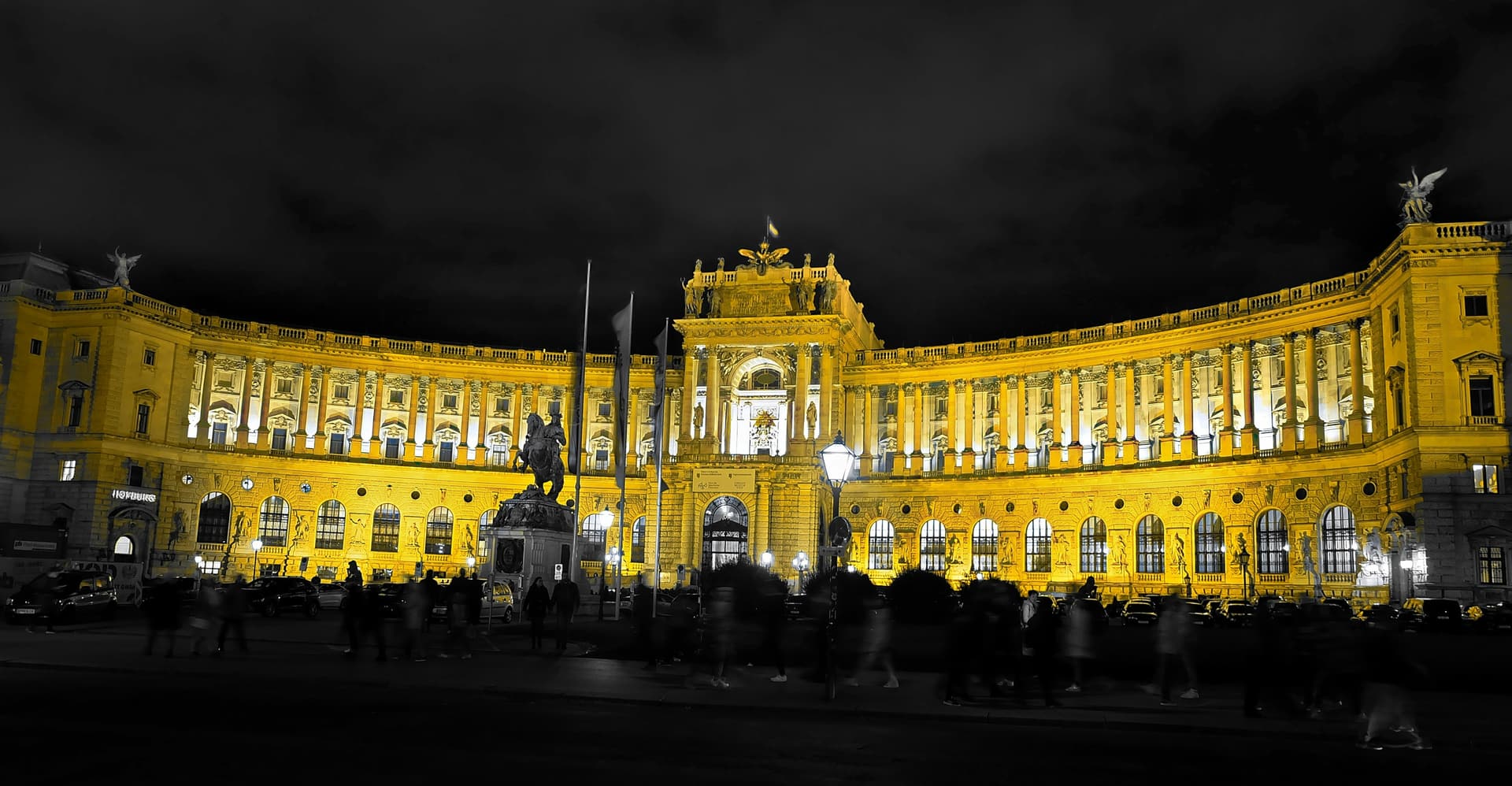
Getting Started
Planning your first trip to Europe is one of the most exciting events in any traveller’s life. The continent offers extraordinary diversity — from the sun-baked islands of Greece to the fjords of Norway, from Gothic castles in Poland to ancient ruins in Rome. Start by deciding whether you want to focus on one country for deep exploration or visit multiple countries in a circuit. Consider your timeframe: a week-long trip works best for 2-3 destinations, while two weeks allows for a more comprehensive regional tour.
Research your home country’s visa requirements and begin planning at least 3 months in advance, especially if you need travel documentation. Europe’s transport links are excellent — high-speed trains, budget airlines, and affordable long-distance buses make getting between cities easy and affordable.
Visa & Documentation
Check visa requirements based on your nationality. Citizens of EU, US, UK, Canada, and most developed nations receive 90-day visa-free entry to Schengen Area countries (which includes most of the EU). Ensure your passport is valid for at least 6 months beyond your travel dates. Obtain travel insurance covering accidents, medical costs, and trip cancellations. Download copies of important documents and keep them separate from originals. Register valuable electronics serial numbers before departure. Note that from 2025, non-EU visitors require an ETIAS travel authorisation for Schengen countries.
Budget Expectations
Daily budgets vary significantly by region. Western European capitals (Paris, Amsterdam, Zurich) run €100-180 per day for budget travellers. Southern Europe (Portugal, Greece, Croatia, Spain) is more affordable at €60-90 per day. Central and Eastern Europe (Czech Republic, Poland, Hungary, Romania, Bulgaria) offer the best value at €35-65 per day. Accommodation ranges €10-30 in hostels, €35-80 in budget hotels. Food costs €10-20 daily eating locally. Budget airlines offer cheap flights between cities (€20-80 booked in advance), while trains give comfort and flexibility.
Best Time to Visit
May through June offers pleasant weather, manageable crowds, and reasonable prices before peak summer. September through October gives perfect temperatures, fewer tourists, and excellent food and harvest festivals. Winter (December-February) brings cold weather but lower prices, magical Christmas markets, and ski opportunities in the Alps and Dolomites. Avoid July-August in popular coastal and city destinations when prices peak and queues are longest. Consider your destination’s climate — the Mediterranean is hot and dry in summer, while northern Europe stays cooler year-round.
Book Your Experience
Found something you love? Browse tours and book directly with free cancellation on most experiences.
Powered by Viator. Bookings may earn Viaspora a commission at no extra cost to you.