Krakow Travel Guide: History, Culture & Local Experiences
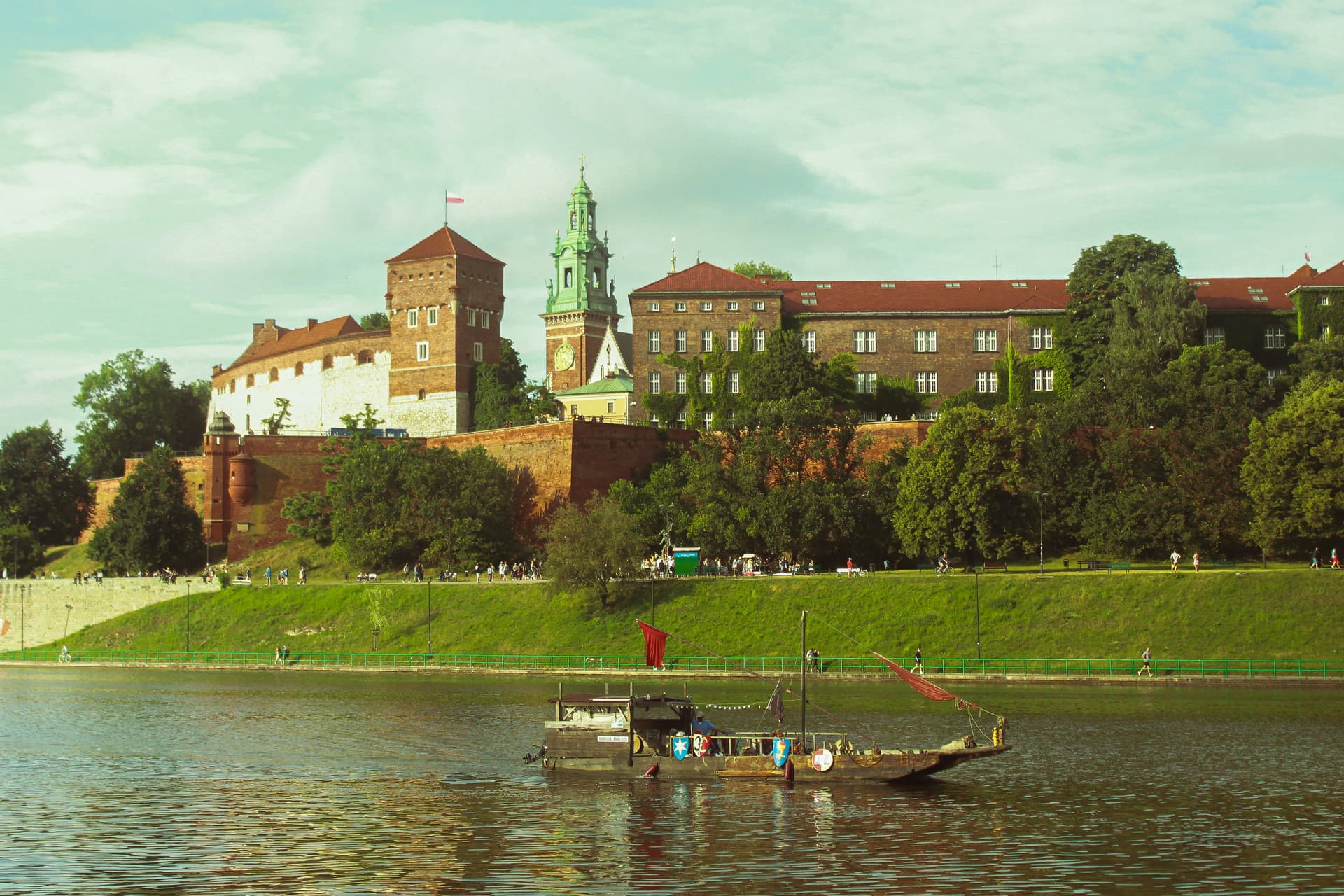
A City of Contradictions
Krakow seamlessly blends medieval magnificence with sobering historical weight. The beautifully preserved Old Town contrasts sharply with the nearby Kazimierz district's tragic Jewish heritage. Royal Wawel Castle overlooks the Vistula River with castle ramparts and museums. Krakow survived World War II relatively intact compared to other Polish cities, preserving its architectural heritage. Modern Krakow thrives as a cultural hub with contemporary art galleries, theaters, and music venues complementing its historical significance.
Medieval History & WWII Legacy
Founded in the 10th century, Krakow served as Poland's capital and cultural heart. The original city layout centered on the Main Market Square remains intact. During WWII, the Nazi occupation left permanent scars memorialized throughout the city. The Oskar Schindler Factory Museum documents one man's heroic efforts to save Jewish workers. The Holocaust victims are remembered at various sites including the Jewish cemeteries and memorials. Visitors gain understanding of this complex period through educational museums and guided historical tours.
Main Market Square
Europe's largest medieval Town Square measures 200x200 meters and breathes with activity. The Cloth Hall at the center, originally a medieval trading post, now houses shops, restaurants, and galleries. The Town Hall Tower offers panoramic city views from its 53-meter height. Surrounding Renaissance buildings house cafes where visitors watch street performers. Daily flower and vegetable vendors maintain a tradition dating centuries back. The Square's energy differs dramatically between day and night, with evening crowds creating a magical atmosphere under historic streetlights.
Jewish Quarter Stories
Kazimierz was the center of Jewish life for centuries before WWII. The district contains seven surviving synagogues, now functioning as museums, galleries, and concert venues. Remuh Synagogue still operates for religious services alongside its historical role. The Jewish Cemetery contains thousands of tombstones honoring generations. Museums like POLIN and the Galicia Museum document Jewish history and suffering. Walking tours led by local historians provide personalized narratives. The district's revival as an artistic hub honors its past while building its future.
Local Food & Drink Scene
Polish pierogi (dumplings filled with potato, cheese, meat, or fruit) are served everywhere, typically €3-5 for a portion. Zurek (rye soup) and bigos (hunter's stew) warm visitors in colder months. Fresh kielbasa sausages grace restaurant tables and markets. Milk bars—institutional cafeterias serving traditional Polish food—offer €2-4 complete meals. The craft beer scene thrives with numerous microbreweries offering local creations. Polish vodka (żubrówka, especially) pairs traditionally with meals. Desserts like sernik (cheesecake) and paczki (jam donuts) satisfy sweet cravings affordably.
Book Your Experience
Found something you love? Browse tours and book directly with free cancellation on most experiences.
Powered by Viator. Bookings may earn Viaspora a commission at no extra cost to you.